
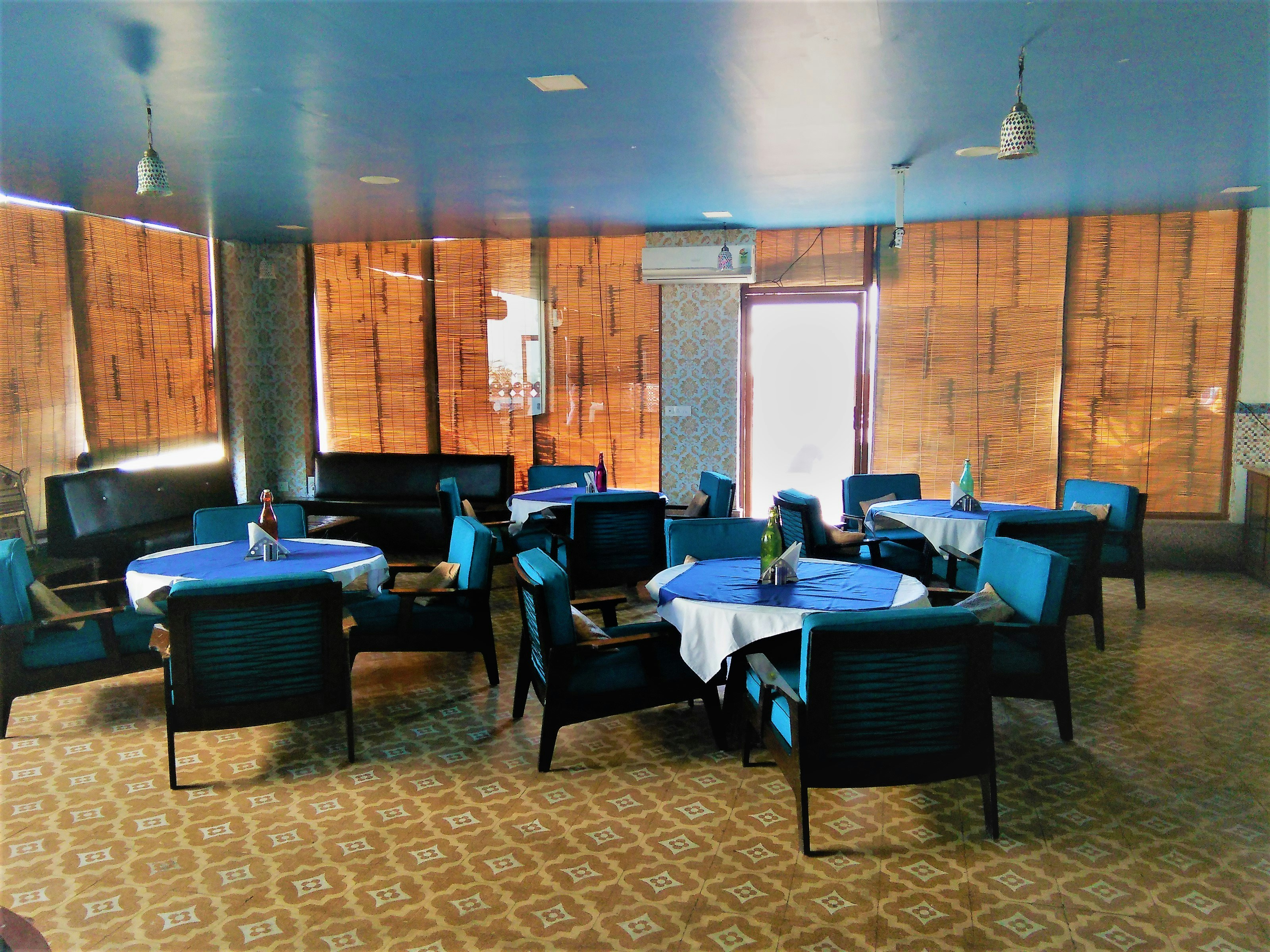
The Importance of Interior Atmosphere
The overall interior atmosphere of a restaurant or café is fundamental in shaping customer emotions and behaviors. It encompasses various elements, including lighting, layout, and sound, but textiles play a pivotal role in enhancing the environment, making it more welcoming and appealing. Textiles such as table linens, curtains, and upholstery can significantly impact the ambiance, contributing to an establishment’s unique identity and overall aesthetic appeal.
Lighting serves as a critical component of the interior atmosphere. The right lighting design, complemented by thoughtfully chosen textiles, can create a warm and inviting environment, encouraging customers to relax and enjoy their dining experience. For instance, soft fabrics can absorb excess light and reduce glare, fostering a cozy atmosphere conducive to social interaction. Moreover, the colour and texture of the textiles can evoke specific moods, further influencing customer emotions.
Another significant aspect of the interior atmosphere is the layout of the space. The arrangement of furniture and decorative elements, including textiles, can facilitate or hinder communication among patrons. For example, strategically placing upholstered seating with sound-absorbing textiles can minimize noise levels, fostering a tranquil environment that promotes conversations. Additionally, well-placed textiles can help delineate different areas within the space, guiding patrons and enhancing their overall experience.
Sound, too, plays a critical role. Background noise can affect how customers perceive their environment. Textiles, again, are influential in managing sound. Fabrics can act as sound absorbers, reducing the echo and creating a more harmonious sound level that enhances comfort. This interplay between textiles and other design elements is key in crafting a cohesive and inviting atmosphere that resonates with customers, shaping their experience from the moment they enter the establishment.
Impact of Cushions, Table Runners and Decorative Textiles on Customer Experience
Cushions, table runners, and decorative textiles play a crucial role in shaping the overall atmosphere of restaurants and cafés. Their strategic incorporation into the design not only elevates the aesthetic appeal but also significantly enhances customer comfort and satisfaction. For instance, the presence of cushions on seating can contribute to increased comfort, allowing patrons to relax and enjoy their dining experience. The tactile quality and softness of fabrics can create an inviting ambiance, encouraging customers to linger longer, which typically translates to higher sales and customer loyalty.
Table runners, on the other hand, serve a dual purpose of aesthetics and functionality. They can add color, texture, and charm to a table setting, enhancing visual appeal while also protecting the tables. A well-chosen table runner can transform an ordinary dining experience into something memorable, influencing customers’ perceptions of value and care for detail. These runners can also be utilized in thematic décor, reinforcing the restaurant’s brand identity and style, whether it be rustic, modern, or elegant.
Moreover, decorative textiles—including wall hangings, curtains, and other fabric elements—play a vital role in creating a cohesive environment within a café or restaurant. These textiles can guide customer emotions and preferences, subtly influencing their overall experience. For example, vibrant and bold patterns can generate excitement, while softer tones may evoke calmness. This careful selection of decorative textiles enhances ambiance and comfort, making patrons feel more at home and valued. The synergy between these textile elements fosters an environment that not only invites customers but also retains them, resulting in repeat visits and positive word-of-mouth.
The Role of Textures, Colours, and Fabrics in Hospitality Design
In hospitality design, particularly within restaurants and cafés, the choice of textures, colours, and fabrics plays a pivotal role in shaping the overall customer experience. These elements do not merely serve aesthetic purposes; rather, they significantly influence mood, perception, and engagement of patrons. Textures, for example, can evoke a sense of comfort or formality; a softly textured sofa can invite customers to relax and linger, while polished surfaces might encourage a quicker turnover.
The use of colour is equally crucial in hospitality settings. Colour psychology suggests that specific hues can invoke particular emotional responses. Warm colours, such as red and orange, can stimulate appetite and conversation, making them popular choices for restaurants aiming for a lively atmosphere. In contrast, cooler colours like blues and greens are often associated with calmness and relaxation, ideal for cafés that wish to foster a soothing environment for patrons seeking respite.
Fabrics also play a vital role in hospitality design; the right choice can impact not only the aesthetics but also the tactile experience of customers. Textiles such as linen or cotton may contribute to a more relaxed ambiance, while luxurious velvets or silks can elevate the perception of elegance and exclusivity. Moreover, the durability and ease of maintenance of certain fabrics contribute to the operational efficiency of a restaurant or café, ensuring that the environment remains pristine and inviting over time.
In summary, the thoughtful integration of textures, colours, and fabrics is essential in hospitality design. Each choice can enhance customer engagement by creating a desired atmosphere that resonates with patrons, ultimately impacting their overall dining experience. As restaurant and café owners consider their design elements, they must recognize the intrinsic connection between these aspects and customer satisfaction.
Why Bespoke Textile Collections Create Stronger Brand Identity
Bespoke textile collections play a significant role in establishing a restaurant or café’s brand identity. By selectively designing and tailoring textiles such as table linens, upholstery, and curtains to align with the restaurant’s overall theme and vision, owners can create a cohesive atmosphere that resonates with patrons. Custom designs allow for a heightened sense of uniqueness, setting a business apart in a competitive industry.
When textiles are meticulously crafted to reflect a brand’s core values, they become an intrinsic part of the customer experience. For example, a café that prioritizes sustainability may choose eco-friendly fabrics that not only convey its commitment to environmental responsibility but also attract like-minded patrons. Such thoughtful design choices reinforce the establishment’s mission and encourage customer loyalty, as consumers increasingly seek to align themselves with brands that reflect their personal values.
Moreover, bespoke textile collections can evoke specific emotions and memories, enhancing the dining experience. Colors, patterns, and textures curated with intention can prompt feelings of warmth, comfort, or sophistication, influencing how customers perceive the service and overall ambiance. When guests feel a strong emotional connection to the environment, they are more likely to return, recommend the venue to others, and share their positive experiences through various platforms.
In essence, the advantages of bespoke textile collections are twofold. Not only do they significantly contribute to visual branding and consistent messaging, but they also facilitate deeper connections with customers. By representing their distinct identity through carefully curated textiles, restaurants and cafés can cultivate lasting relationships with their clients, resulting in enhanced loyalty and increased patronage.
Benefits of Custom-Made Hospitality Textiles
Investing in custom-made textiles for hospitality settings, such as restaurants and cafés, presents numerous practical advantages that can significantly enhance the overall customer experience. One of the most notable benefits is durability. Custom textiles are often produced using high-quality materials specifically selected to withstand the wear and tear of a high-traffic environment. This ensures that items such as tablecloths, chair covers, and curtains not only maintain their aesthetic appeal but also their functional integrity over time.
In addition to durability, uniqueness is another key benefit of custom-made hospitality textiles. Creating bespoke designs allows establishments to develop a distinctive brand identity that sets them apart from competitors. By integrating colors, patterns, and textures that align with the restaurant’s theme and target demographic, owners can create an inviting atmosphere that resonates with their clientele. This tailored approach fosters a stronger emotional connection with customers, making their dining experience more memorable.
Another practical consideration is the ability to meet specific design requirements. Custom textiles can be modified in numerous ways, including size, fabric type, and finish, to ensure that they complement the existing décor of a hospitality venue. For instance, a café with a rustic theme may benefit from custom linen napkins that feature a textured finish, while a fine dining restaurant might opt for sleek, elegant table runners crafted from luxurious material. This flexibility enables businesses to uphold their aesthetic vision without compromising on quality.
Ultimately, the adoption of custom-made textiles in hospitality settings not only enhances visual appeal but also directly contributes to operational efficiency and customer satisfaction, making it a worthwhile investment for any establishment aiming to elevate its ambiance and service quality.
Nilstar’s Approach to Decorative Textiles
Nilstar Decorative Textiles has emerged as a prominent player in the hospitality sector, committed to offering bespoke textile collections that align with the unique themes and atmospheres of restaurants and cafés. Their philosophy revolves around understanding the distinctive character of each establishment, which plays a critical role in shaping customer experience. By tailoring their products, Nilstar ensures that their textiles not only complement the surrounding décor but also enhance the overall ambiance.
The craftsmanship at Nilstar is a cornerstone of their operations, demonstrating an unwavering dedication to quality and detail. This meticulous approach ensures that each piece of textile not only serves a practical purpose but also contributes artistically to the space it occupies. As a result, their collections include a wide range of options from tablecloths and napkins to curtains and upholstered furniture, all carefully designed to withstand the rigors of daily use while maintaining aesthetic appeal. The focus on quality materials allows for durability and longevity, which is particularly important in the fast-paced restaurant environment.
An essential aspect of Nilstar’s identity is its commitment to producing textiles made in Türkiye. This not only supports local artisans and traditional craftsmanship but also assures clients of ethical production practices. By sourcing materials locally and utilizing skilled artisans, Nilstar adds authenticity and character to its products, positioning itself as a leader in sustainable textile solutions for the hospitality industry. Furthermore, the heritage of Turkish textile-making is reflected in the intricate designs and textures, providing a unique flair that differentiates Nilstar from other textile manufacturers.
The Economic Impact of Investing in Quality Textiles
In the competitive landscape of the food and beverage industry, the aesthetic and functional aspects of a restaurant or café can significantly influence customer experiences and, consequently, the establishment’s profitability. Quality textiles, such as tablecloths, napkins, upholstery, and curtains, play a crucial role in creating an inviting atmosphere that enhances diners’ overall satisfaction.
Investing in high-quality textiles contributes not only to the visual appeal of a space but also to its durability and functionality. Research has shown that well-designed textiles can improve customers’ perception of cleanliness and comfort, which is vital for repeat business. For instance, a renowned café that upgraded its textile selections from basic linear designs to more luxurious, tactile fabrics reported a 30% increase in customer retention within six months. Patrons often noted the enhanced ambiance as a reason for their return visits.
Moreover, textiles can communicate a restaurant’s brand identity and ethos. A thoughtfully curated textile palette can elevate a dining experience, prompting customers to linger longer and enjoy their meals, which often translates to increased sales. A case study involving a family-run restaurant that incorporated locally sourced materials into their interior design indicated a 40% boost in customer engagement and a significant rise in word-of-mouth referrals, leading to improved profit margins.
Additionally, the use of environmentally friendly textiles can resonate with eco-conscious consumers, further enhancing customer loyalty. In a market where customers are increasingly making choices based on sustainability, a café that opts for organic cotton napkins and recycled fabric table runs attracts a demographic willing to pay a premium for such values. This strategy resulted in a 25% rise in average transaction values for one such establishment within the first year.
Trends in Hospitality Textiles
The hospitality industry is experiencing a dynamic shift in its approach to textiles, which plays a critical role in shaping customer experiences in restaurants and cafés. As venues strive to create unique atmospheres that attract and retain patrons, they are increasingly adopting trends that not only enhance aesthetic appeal but also improve functionality and comfort.
One prominent trend in hospitality textiles is the focus on sustainability. With growing awareness around environmental impacts, restaurants and cafés are opting for eco-friendly fabrics such as organic cotton, linen, and recycled materials. These sustainable textiles not only appeal to environmentally conscious consumers but also reflect a commitment to corporate social responsibility, further enhancing the venue’s reputation.
Another trend is the use of bold colors and patterns, moving away from conventional, neutral palettes. Establishments are embracing vibrant textiles that evoke a sense of excitement and energy within the dining space. This strategy is particularly prevalent in casual dining environments, where eye-catching table linens and upholstery can invigorate the overall atmosphere, creating a lasting impression on customers.
Furthermore, the integration of innovative textiles that incorporate technology is becoming increasingly common. Fabrics with stain-resistant and easy-to-clean properties are particularly attractive to restaurant owners seeking to maintain a pristine environment. Textiles that have antibacterial or antimicrobial properties are also gaining popularity, especially in light of heightened health and safety concerns.
Keeping abreast of these trends in hospitality textiles not only contributes to a venue’s artistic expression but also plays a pivotal role in enhancing overall customer experience. By investing in contemporary textile solutions, restaurateurs can create inviting spaces that resonate with patrons while addressing practical considerations such as durability and ease of maintenance. This holistic approach ultimately elevates the dining experience, encouraging repeat visits and fostering customer loyalty.
Conclusion: Embracing Textiles for Enhanced Customer Experience
Throughout this discussion, we have explored the multifaceted role that textiles play in shaping customer experience within restaurants and cafés. Textiles extend beyond merely functional elements; they serve as critical design components that can dramatically influence the ambiance and overall satisfaction of diners. The use of quality table linens, thoughtfully designed upholstery, and aesthetically pleasing drapes can create an inviting atmosphere that encourages guests to linger, thus enhancing their overall dining experience.
The strategic selection of colors, patterns, and materials not only contributes to the visual appeal but also reinforces a brand’s identity and ethos. For instances, rustic linen tablecloths might evoke a sense of comfort and homeliness, while sleek, modern fabrics may suggest sophistication and elegance. Moreover, the tactile experience provided by these textiles can further engage the senses, leading to a more immersive experience that patrons are likely to remember.
As the competition in the food service industry intensifies, the importance of focusing on customer experience cannot be overstated. Restaurant and café owners are encouraged to assess how the textiles in their establishments can be optimized to enhance overall guest satisfaction. Investing in quality textiles offers a cost-effective means to differentiate oneself in a crowded market. It not only upgrades the aesthetic appeal of a venue but also contributes to a lasting positive impression that encourages repeat visits.
We invite trade enquiries for Nilstar’s bespoke textile solutions, where we specialize in providing customized options to suit the unique needs of each establishment. Embracing the power of textiles can be a transformative step towards elevating the customer experience in your restaurant or café.

