
Defining Your Interior Identity
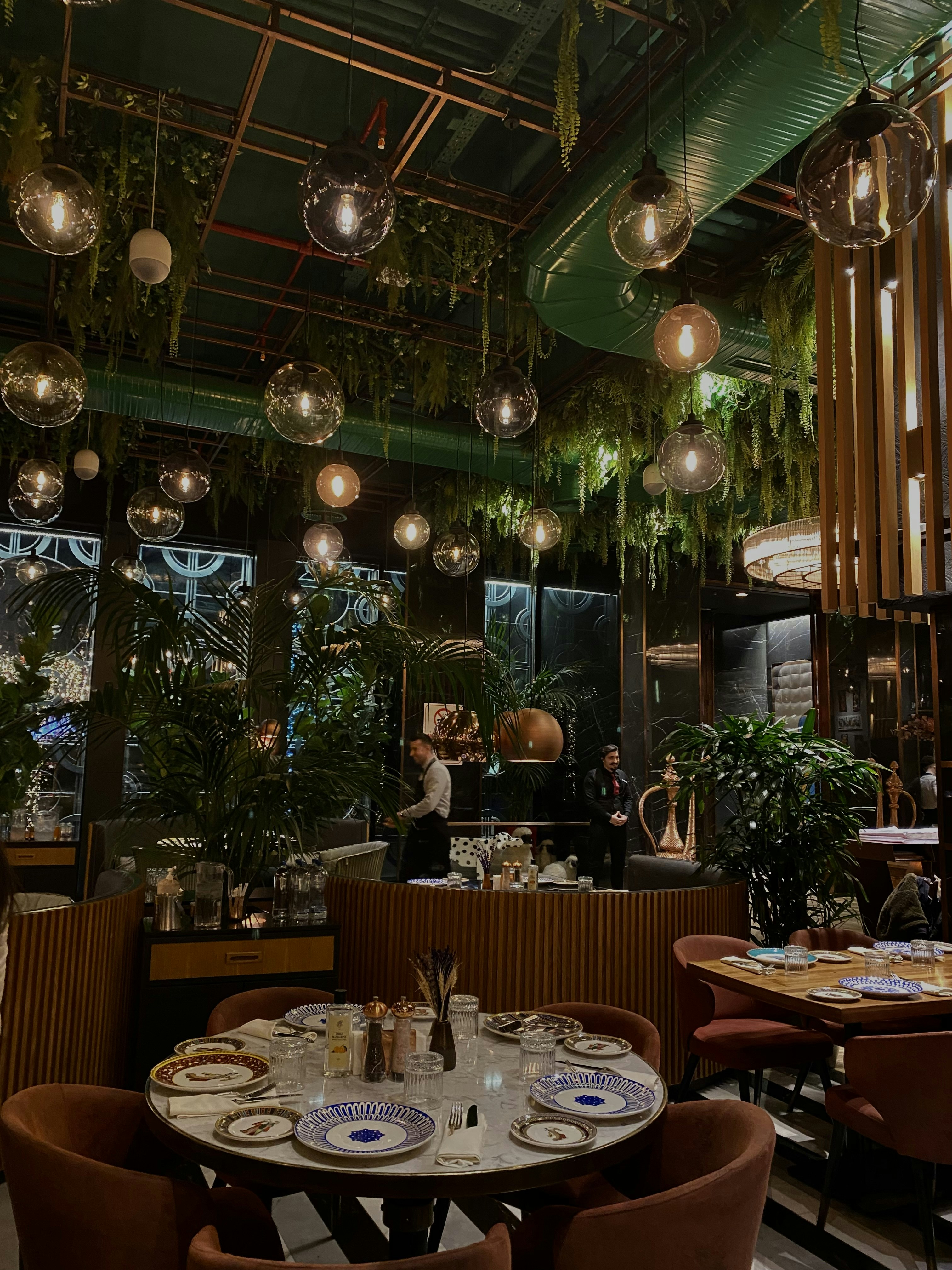
Establishing a strong interior identity is crucial for any restaurant seeking to create an inviting atmosphere that resonates with its target audience. A well-defined interior not only reflects the overall brand and theme of the restaurant but also enhances the dining experience, making it memorable and enjoyable for patrons. Elements such as color, layout, lighting, and decor play a significant role in crafting this identity.
Color selection is one of the first and most impactful decisions restaurant owners can make. Colors evoke emotions and set the mood of the space. For instance, warm tones like reds and yellows can stimulate appetite and promote social interaction, whereas cooler colors such as blues and greens often create a more tranquil atmosphere. Thoughtful use of color can help convey the restaurant’s personality, whether it is vibrant and lively or calm and sophisticated.
The layout of the restaurant also contributes significantly to its interior identity. An open floor plan can create a sense of community and encourage interaction among guests, while segmented areas can provide intimacy and privacy. The arrangement of furniture, pathways, and spaces should facilitate a smooth flow for both patrons and staff, enhancing the overall dining experience.
Lighting is another essential aspect to consider when defining a restaurant’s interior identity. It can dramatically change the ambiance and influence how customers perceive their meals. For instance, soft, dim lighting can create a cozy atmosphere perfect for romantic dinners, whereas bright, upbeat lighting can promote a more energetic dining experience. Natural light sources should also be incorporated where possible to add warmth and a welcoming feel.
Finally, decor should align with the restaurant’s theme to ensure cohesiveness. Unique art pieces, landscaping, or themed decorative elements can reinforce the restaurant’s identity, allowing patrons to immerse themselves fully in the experience. Successful restaurants often exemplify these principles, creating distinctive identities that captivate their audience and leave a lasting impression.
Enhancing Customer Experience
The overall customer experience in a restaurant is a multifaceted phenomenon influenced by various elements including service style, ambiance, and comfort. Each of these components plays a crucial role in defining how patrons perceive their dining experience. Combining these elements effectively not only enriches the dining atmosphere but also promotes customer satisfaction, ultimately encouraging repeat visits.
Service style is one of the first interactions a customer has when entering a restaurant. It encompasses the manner in which food and beverages are presented, as well as the interaction with the staff. A friendly, attentive service style can significantly enhance the dining experience, making customers feel valued and cared for. Restaurant owners should prioritize training their staff to ensure that they are equipped with the skills necessary to provide exceptional service, which in turn can lead to increased customer loyalty.
In addition to service style, the ambiance of the restaurant is essential in setting the mood for dining. Factors such as lighting, music, and interior design contribute to creating a welcoming environment. A well-thought-out ambiance can enhance the overall dining experience, making it both memorable and inviting. For instance, soft lighting can create a relaxed atmosphere, while appropriate background music can elevate the dining experience without overwhelming conversation.
Comfort is another critical factor that affects customer experience. Providing comfortable seating, ample space between tables, and an overall cozy environment can significantly improve customers’ perceptions of the restaurant. When patrons are comfortable, they are more likely to spend time and money at the establishment, making comfort an essential consideration for restaurant owners.
In summary, enhancing customer experience involves a strategic combination of effective service style, a captivating ambiance, and a focus on comfort. By investing in these areas and prioritizing staff training, restaurant owners can create an enjoyable dining atmosphere that encourages guests to return time and again.
Choosing the Right Table Textiles and Cushions
Table textiles and cushions play a crucial role in creating an inviting atmosphere within a restaurant. The selection of tablecloths and napkins not only contributes to the aesthetic appeal but also enhances the overall dining experience. High-quality textiles can elevate the presentation of the table, offering an immediate visual impact that aligns with the restaurant’s theme and style.
When choosing tablecloths, it is imperative to consider colors, patterns, and materials that harmonize with the restaurant’s interior design. For instance, a fine dining establishment might benefit from elegant, textured fabrics in neutral tones, while a casual bistro could utilize vibrant colors or playful patterns that complement a relaxed ambiance. Moreover, the choice of napkins—whether cloth or disposable—should marry functionality with design, providing diners with a comfortable experience while reinforcing the restaurant’s identity.
Cushions are another essential component that can enhance comfort and aesthetics. The right cushions can offer support and coziness, encouraging guests to linger longer over their meals. When selecting cushion materials, durability should be prioritized; fabrics that are resistant to stains and wear will maintain their appearance even in high-traffic environments. Additionally, consider the cushions’ color and design to ensure they correspond with the overall theme of the establishment.
Combining table textiles and cushions wisely creates a cohesive look, allowing the restaurant to convey its unique brand while ensuring practicality. Restaurant owners should focus on sourcing quality materials that not only elevate the dining experience but also withstand the rigors of daily operations. Thoughtful selections will ultimately lead to an inviting atmosphere that attracts customers and encourages repeat visits.
Implementing Decorative Fabrics and Bespoke Collections
In the competitive landscape of the restaurant industry, creating an inviting atmosphere goes beyond décor; it involves integrating decorative fabrics and bespoke collections that resonate with the restaurant’s identity. The essence of a restaurant’s ambiance can significantly influence customer experiences, making it crucial for owners to consider how fabrics can enhance both aesthetics and comfort.
Decorative fabrics, ranging from upholstery to curtains and table linens, play a vital role in defining the space. Choosing the right materials can complement the overall theme and concept of the restaurant, be it modern, rustic, or eclectic. The flexibility inherent in bespoke fabrics allows restaurant owners to customize colors, patterns, and textures, ensuring that each fabric choice aligns with their branding and vision. For example, warm, rich textures can create a cozy environment, while sleek, minimalist fabrics may reflect a contemporary dining ethos.
Partnering with suppliers who specialize in high-quality materials is essential for tapping into innovative design solutions. Nilstar, an industry leader, offers an extensive range of decoration fabrics tailored to meet specific hospitality needs. Their expertise in creating bespoke collections enables restaurant owners to curate a cohesive look that enhances the customer experience. Utilizing Nilstar’s resources, restaurant owners can access fabrics that not only elevate visual interest but also contribute to guest comfort through durability and ease of maintenance.
Furthermore, the integration of decorative fabrics can significantly impact acoustics and mood lighting within a restaurant. By carefully selecting materials that absorb sound and reflect light, owners can create an inviting environment that promotes relaxation and social interaction. Ultimately, the strategic employment of decorative fabrics and bespoke collections is a powerful tool in crafting an atmosphere that draws customers in and encourages repeat patronage.

