
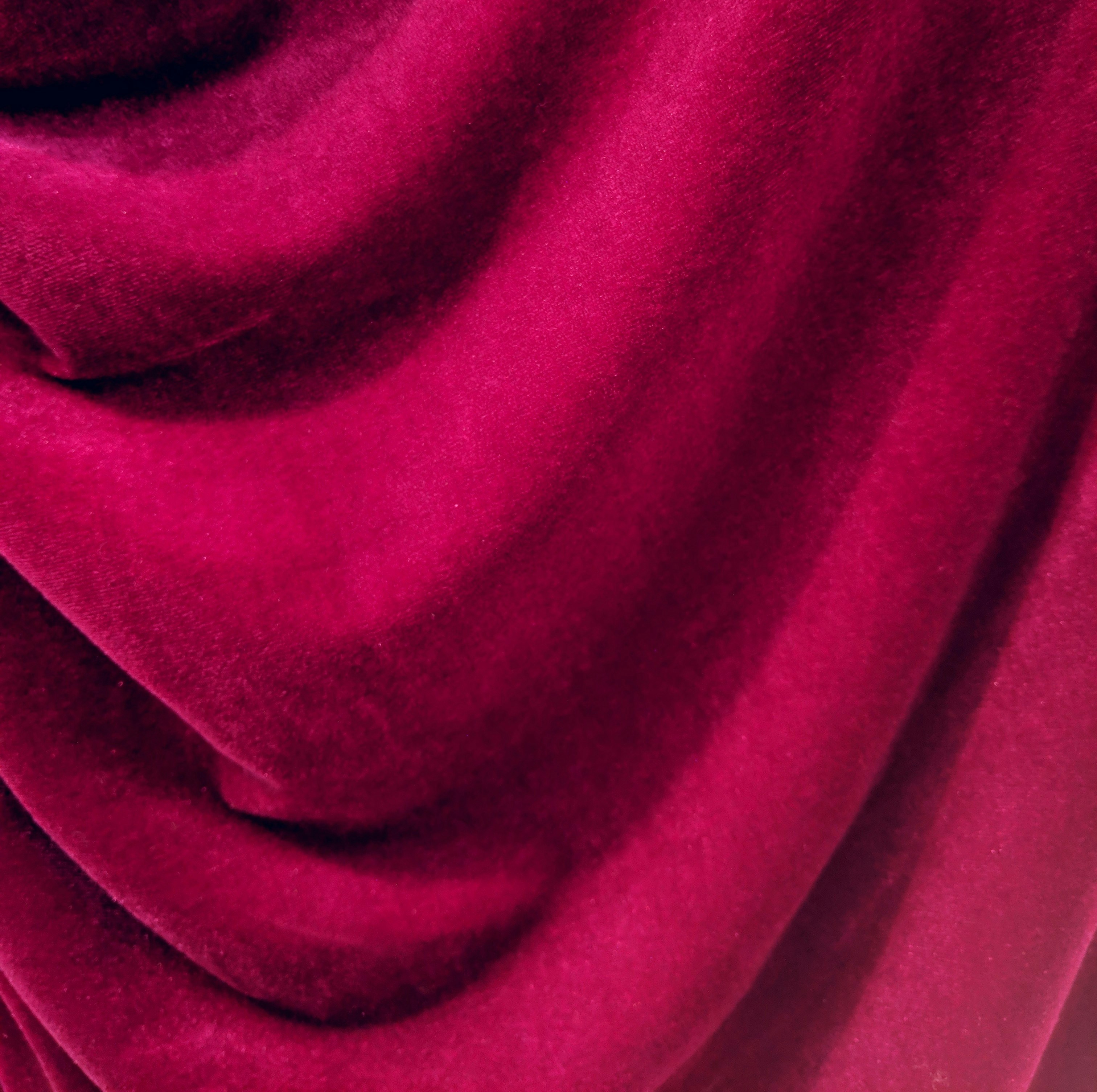
The Allure of Velvet in Luxury Design
Velvet is a textile that has captivated designers and homeowners alike for centuries, widely recognized for its sumptuous texture and elegant appearance. In the realm of luxury interiors, velvet serves as a quintessential fabric that enhances the richness and depth of a space. The plushness and softness of this material create an inviting atmosphere, making it an ideal choice for various applications within opulent settings.
One of the most notable qualities of velvet is its visual appeal, which operates well under different lighting conditions. The fabric’s unique ability to reflect light leads to an ever-changing appearance that can enliven a room. This dynamic quality adds layers of depth, allowing spaces adorned with velvet to feel richer and more sophisticated. Moreover, velvet’s range of colors—from deep jewel tones to soft pastels—enables designers to create stunning focal points or blend harmoniously into existing palettes.
Velvet is often employed in numerous elements of luxury interiors, from upholstery on sofas and chairs to drapery and bedding. Upholstered furniture, accentuated with velvet, not only stands out aesthetically but also invites tactile engagement, often eliciting a desire to touch and feel. The addition of velvet curtains can soften the light entering a space, thereby enhancing the overall ambiance and creating a more intimate setting.
Furthermore, the use of velvet in accessories, such as throw pillows or rugs, can introduce texture that amplifies the sense of luxury. Its rich, tactile quality provides comfort and sophistication, establishing a distinctive atmosphere that resonates with opulence. By choosing velvet as a primary or accent material, designers can effectively contribute to the overarching theme of luxury within any interior.
Jacquard: A Touch of Elegance
Jacquard fabrics, renowned for their intricate patterns and rich textures, play a significant role in defining luxury interiors. Named after the pioneering French inventor Joseph Marie Jacquard, who developed the loom that enabled the creation of complex patterns, these textiles are characterized by their ability to interweave multiple colors and designs into a single piece. The craftsmanship involved in producing jacquard textiles is immense; skilled artisans meticulously weave threads of various materials such as silk, cotton, and synthetic fibers, resulting in remarkable depth and visual interest.
These luxurious fabrics are utilized in a myriad of design elements, seamlessly blending sophistication and versatility. For instance, jacquard wall coverings can dramatically transform a space, infusing it with elegance and texture. The intricate patterns of a jacquard wall panel can serve as a stunning focal point, enhancing the overall aesthetic while providing a tactile element that invites touch. When used on upholstery, jacquard enriches furniture pieces, such as chairs and sofas, offering both comfort and opulence, making them perfect for refined living areas.
Moreover, decorative accessories like throw pillows and drapery made from jacquard fabric contribute to the luxurious ambiance of a room. These elements are not only functional but also serve as artistic expressions, showcasing exquisite patterns that reflect personal style and artistic vision. The interplay of light on the textured surface of jacquard textiles can add warmth and depth, contributing to a layered, inviting atmosphere.
In summary, jacquard fabrics are more than simple textiles; they are powerful design tools that enhance the sophistication of luxury interiors. Through their rich textures and intricate patterns, they provide a touch of elegance that can elevate any space, setting the stage for a remarkable interior environment.
Woven Fabrics and the Art of Layering
In the realm of luxury interiors, the significance of woven fabrics cannot be overstated. These textiles, characterized by their intricate construction and rich texture, play a pivotal role in establishing an enveloping atmosphere within a space. The tactile quality of woven fabrics not only adds depth to the decor but also creates a sense of warmth and comfort, essential elements in any inviting room.
Layering different textures through the incorporation of woven fabrics can transform a simple interior into a luxurious retreat. By combining various textiles, one can achieve a harmonious aesthetic that captivates the senses. For example, contrasting the smoothness of silk with the richness of a heavy linen or a softly woven wool can create a dynamic interplay that enhances the visual intrigue of the space. This type of layering allows each fabric to shine while contributing to the overall narrative of comfort and elegance.
When approaching the concept of texture in luxury interiors, it is prudent to consider the color palette as well. Opting for neutral shades with subtle variation can highlight the unique characteristics of woven fabrics, allowing the texture to remain the focal point. Moreover, mixing patterns—such as stripes, florals, or geometrics—within the same color family can maintain coherence while adding dimension to the overall design. Textiles like throws, cushions, and drapery in woven forms can reinforce this layered aesthetic, making it both visually appealing and physically comforting.
Ultimately, incorporating woven fabrics and layering different textures enhances the sensory experience of a space, elevating it to a level of sophistication synonymous with luxury interiors. The careful selection and pairing of textiles not only creates a stunning visual impact but also enriches the tactile experience, making any environment feel more inviting.
Applications of Premium Textiles in Hospitality Interiors
In the world of hospitality design, the application of premium textiles plays a crucial role in shaping the ambiance and enhancing the overall experience for guests. High-quality fabrics, such as velvet, jacquard, and woven textiles, not only introduce a layer of comfort but also enhance the aesthetic appeal of hotel and restaurant interiors. The tactile quality of these materials contributes significantly to a sense of luxury that guests have come to expect when choosing accommodations or dining experiences.
Velvet, with its rich luster and soft touch, is often employed in various spaces, from plush seating areas to opulent draperies. This fabric can instantly elevate an interior’s sophistication and induce warmth, making it a popular choice for lounges and high-end restaurants. Moreover, jacquard textiles, characterized by their intricate patterns and durability, serve both functional and decorative purposes. They are frequently integrated into table linens and upholstery, providing not only an elegant visual texture but also resistance to wear and spill, which is essential in hospitality settings.
As the hospitality industry evolves, so do the trends surrounding textile applications. An increasing emphasis on sustainability drives designers to opt for eco-friendly fabrics, ensuring that luxury interiors also reflect environmental consciousness. A notable case in point is the implementation of organic cotton and bamboo textiles in boutique hotels, which not only appeal to the eco-aware traveler but also radiate a sense of modern luxury.
Furthermore, successful establishments utilize narrative-driven designs, employing textiles to evoke specific themes or local culture, ultimately enriching the guest experience. By integrating premium textiles thoughtfully into their interiors, hospitality professionals can create memorable environments that speak to both comfort and elegance.

