
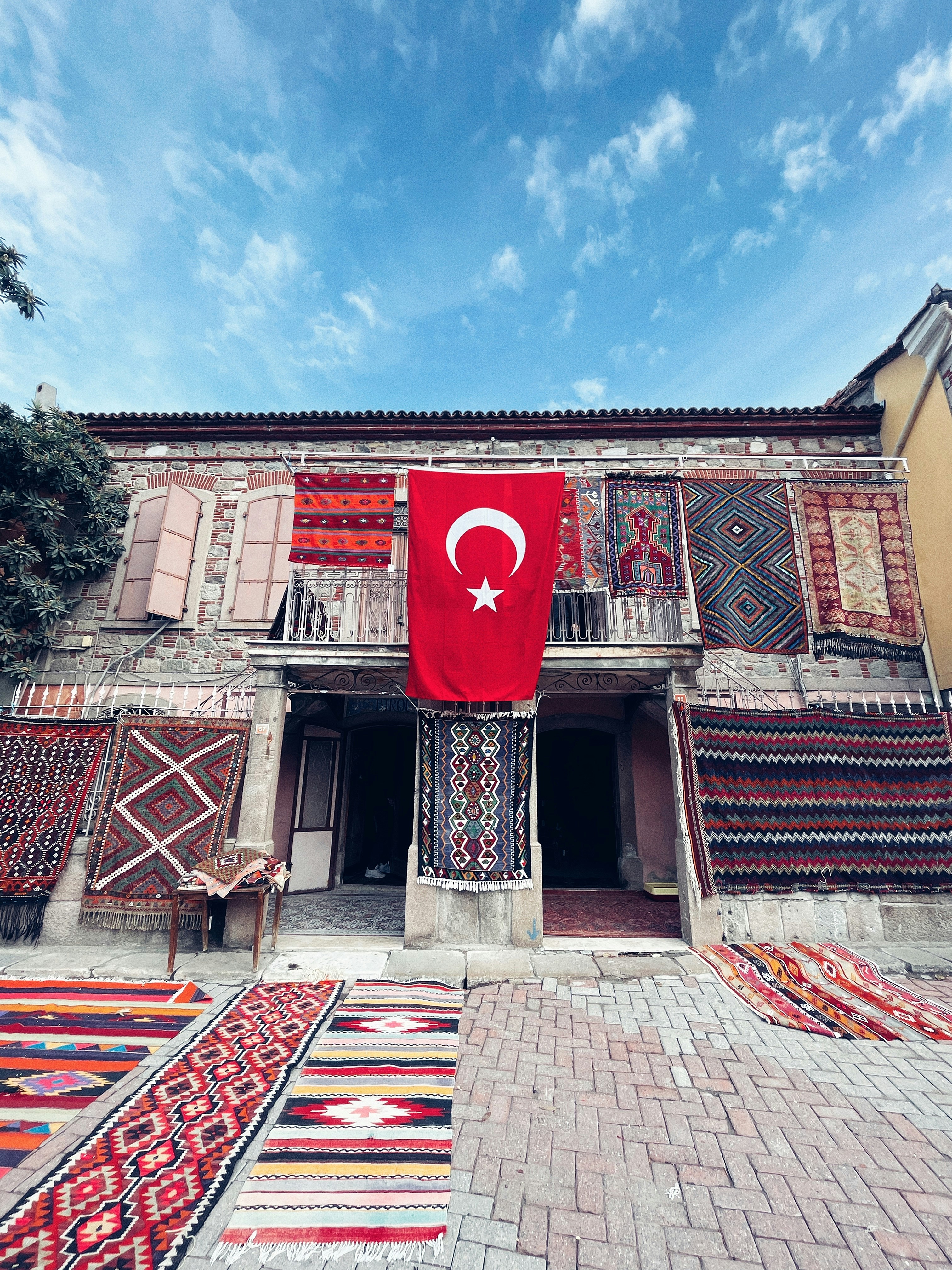
Generations of Craftsmanship: A Legacy Woven in Time
The rich tapestry of Turkish textile heritage showcases a deep-rooted tradition that spans centuries. The craftsmanship involved in creating Turkish textiles is not merely a trade; it is a testament to the skills and artistry of generations of artisans who have meticulously honed their craft over time. Each piece of textile tells a story, interwoven with cultural significance and historical importance.
Traditional Turkish textiles are characterized by intricate patterns and designs that draw inspiration from nature, folklore, and religious symbolism. Artisans employ a variety of artisanal techniques such as weaving, dyeing, and embroidery, each reflecting the unique cultural identities of different regions in Turkey. The use of natural dyes, derived from plants and minerals, not only ensures vibrant colors but also enhances sustainability, making these textiles eco-friendly and timeless in appeal.
Materials such as silk, cotton, and wool form the foundation of Turkish textile craftsmanship. These raw materials have been used for centuries, showcasing the adaptability and resourcefulness of artisans. The intricate craftsmanship is evident in traditional pieces such as kilims, carpets, and tablecloths, where skilled hands transform simple fibers into complex and beautiful creations. The labor-intensive processes involved, including hand-weaving and the detailed art of knotting in carpets, highlight the dedication artisans put into their work.
As times have changed, so too has the landscape of Turkish textile craftsmanship. While modern techniques and technologies have been introduced, the essence of traditional methods remains strong. Contemporary artisans strive to blend traditional craftsmanship with modern design elements, ensuring that the cultural heritage of Turkish textiles is preserved while appealing to newer generations. This marriage of the old and the new showcases an enduring respect for craftsmanship and a commitment to maintaining cultural identity in an ever-evolving industry.
Modern Weaving: Bridging Tradition and Innovation
The landscape of textile production today is characterized by an intersection of tradition and modernity, particularly evident in the realm of weaving. Modern weaving techniques have evolved to include a variety of innovations that not only preserve age-old practices but also enhance the functionality and aesthetic appeal of textiles. This integration signifies a pivotal shift in how textiles are designed and produced, allowing for a dynamic interplay between craftsmanship and contemporary design.
One of the most notable advancements in modern weaving is the incorporation of digital technologies, which streamline the production process while enabling a vast range of intricate patterns and designs. These techniques empower artisans to experiment with innovative materials, including eco-friendly fibers, which reflect the growing demand for sustainability in the textile industry. By utilizing organic cotton, hemp, and recycled materials, modern weavers are not only addressing environmental concerns but also appealing to an environmentally conscious consumer base.
Furthermore, modern weaving practices often prioritize efficiency without compromising on quality. This is achieved through the introduction of automated looms and high-performance textiles that maintain the integrity of traditional methods. As a result, artisans can produce textiles that meet contemporary needs, such as durability and comfort, while still showcasing the rich heritage of their craft.
In the hospitality sector, these modern weaving techniques have given rise to textiles that combine beauty and practicality, such as stain-resistant fabrics and easy-care linens. Such advancements reflect the duality of modern consumer demands, which require both aesthetic appeal and functional efficacy. Overall, the evolution of weaving represents a compelling narrative of innovation that honors the traditional craftsmanship while propelling the textile industry into the future.
Decorative Textiles: The Art of Aesthetic Expression
The world of Turkish decorative textiles is a vibrant tapestry woven from tradition, culture, and innovative artistry. These textiles serve not only a functional purpose but also act as a key element in home decor, elevating the aesthetic appeal of various spaces. The diversity in patterns, colors, and techniques reflects the rich cultural heritage of Turkey, making each piece a testament to the skills of the artisans involved.
In Turkish culture, decorative textiles often carry symbolic meanings, portraying stories or beliefs through their intricate designs. For instance, motifs such as flowers, geometric patterns, and nature-inspired elements are commonly found, each representing different themes of life or heritage. The choice of colors can also be deeply symbolic, invoking emotions or recalling historic significance. For designers and homeowners alike, understanding these cultural nuances enhances the value of incorporating such textiles into their environments.
Today, artisans continue to blend traditional designs with contemporary applications, illustrating a seamless fusion of the past with modern living. In residential settings, decorative textiles such as embroidered cushions, handwoven carpets, and ornate curtains evoke warmth and sophistication, creating inviting atmospheres. Similarly, in hospitality environments, the meticulous selection of textiles creates a luxurious ambiance, from boutique hotels to fine dining establishments where every detail is designed to enchant guests.
This artistic blend of traditional and modern in decorative textiles not only reinforces their essential role in interior design but also celebrates the enduring legacy of Turkish craftsmanship. As such, the importance of these textiles extends beyond mere aesthetics, becoming symbols of identity, history, and continuity through generations. The focus on craftsmanship ensures that each piece remains a remarkable representation of cultural heritage while adapting to contemporary tastes.
Hospitality Applications: Elevating Guest Experiences through Textile Luxury
In the realm of the hospitality industry, the significance of textiles extends far beyond mere utility; they play a pivotal role in crafting memorable guest experiences. Turkish textiles, renowned for their exquisite craftsmanship and rich cultural heritage, are increasingly being incorporated by luxury hotels and resorts to enhance both branding and the overall ambiance. By leveraging these high-quality fabrics, establishments not only cater to aesthetic preferences but also provide an unparalleled level of comfort and sophistication.
One of the primary applications of Turkish textiles in the hospitality sector is found in bed linens. Hotels are now opting for premium cotton sheets adorned with traditional intricate patterns and vibrant dyes, assuring a restful experience for guests. The use of such textiles creates an inviting atmosphere, akin to that of a luxurious retreat. Likewise, curtains made from richly woven Turkish fabrics serve both functional and decorative purposes, providing guests with privacy while simultaneously complementing the interior design. These textiles add a distinctive character to room decor, reflecting a blend of tradition and modernity.
Upholstery is another critical area where Turkish textiles shine. Luxurious upholstery upholstery featuring traditional designs can elevate the seating arrangements in lobbies and dining areas, allowing guests to feel immersed in an environment rich in history and artistry. Furthermore, high-quality textiles contribute significantly to the durability and comfort of seating surfaces, thus enhancing guest satisfaction. The implications of integrating such culturally rich textiles into hospitality spaces are profound, as they not only improve the aesthetic appeal of the surroundings but also promote a sense of authenticity and connection to local heritage.
Ultimately, investing in Turkish textiles for luxury hospitality applications demonstrates a commitment to quality and an understanding of the intricate relationship between textiles and guest experiences. By weaving together comfort, culture, and style, hotels and resorts can effectively elevate their offerings, providing guests with an enriching journey through both the visuals and sensations inherent in their surroundings.

