
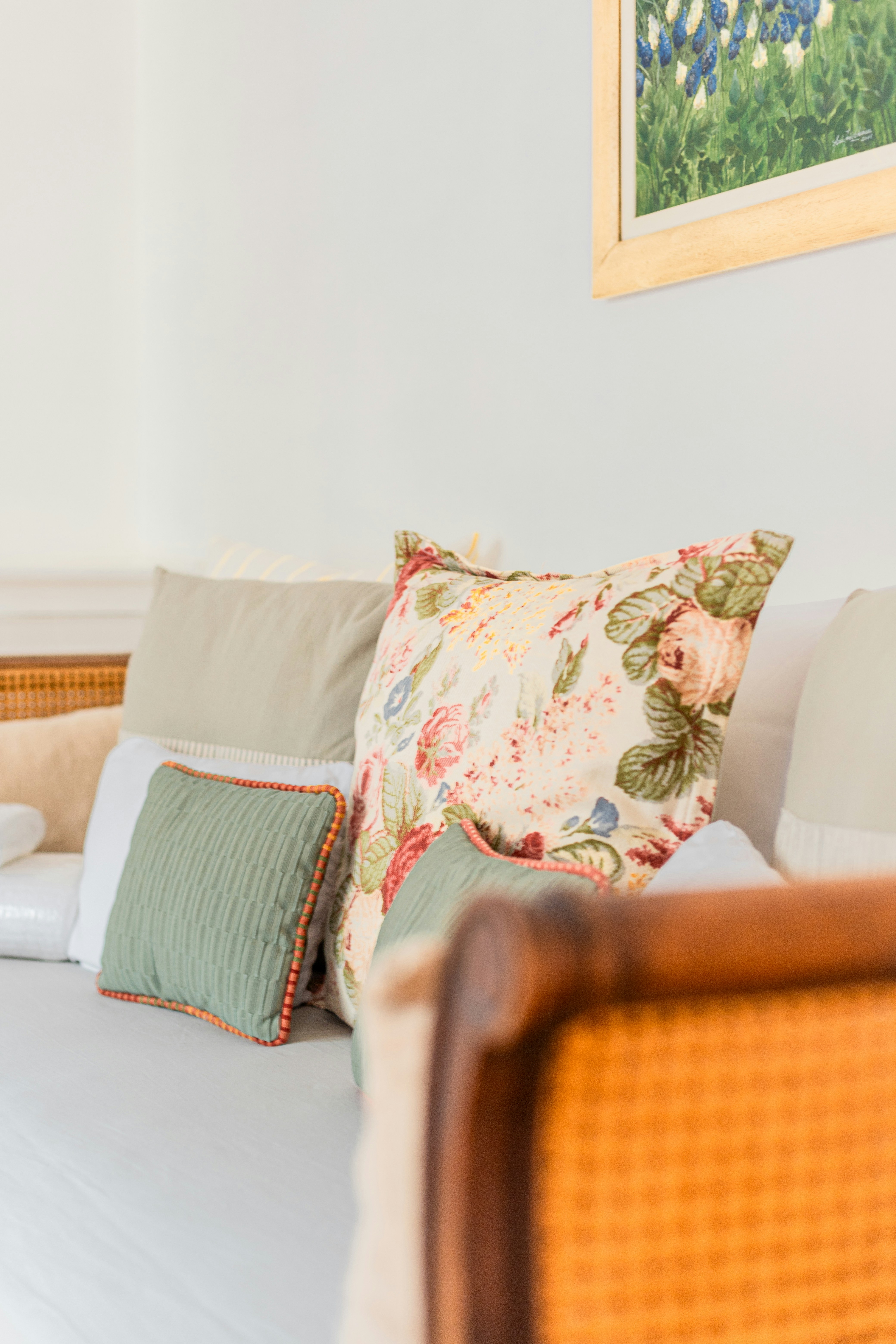
The Importance of Decorative Cushions in Hospitality
In the realm of hospitality, the aesthetic experience plays a crucial role in shaping guest impressions and satisfaction. Decorative cushions serve as both functional and ornamental elements, adding layers of comfort, character, and visual appeal to various settings including hotels, restaurants, and cafés. These versatile accessories enhance the ambiance, making spaces not only more inviting but also contributing significantly to the overall guest experience.
At a fundamental level, decorative cushions provide physical comfort to guests, enabling them to relax and enjoy their surroundings. Well-placed cushions can transform hard seating into cozy, inviting spaces where guests feel at ease. For instance, in a hotel lobby, a variety of cushions in different sizes, colors, and textures can invite guests to utilize seating areas, thereby fostering social interaction and a sense of community. Similarly, restaurants that use decorative cushions on outdoor patio furniture create more attractive settings that enhance the dining experience.
Moreover, the visual impact of these cushions cannot be overlooked. They serve as an essential design element that can be tailored to reflect a venue’s theme and aesthetic. For instance, a luxury boutique hotel may utilize plush velvet cushions adorned with intricate patterns to convey sophistication and elegance, while a café can opt for vibrant, patterned cushions that convey a youthful, trendy vibe. Successful implementations of decorative cushions have been noted in various hospitality environments, proving that thoughtful choices can elevate the overall design and ambiance.
Ultimately, the inclusion of decorative cushions in hospitality interiors not only enriches the sensory experience but also enhances customer satisfaction. By thoughtfully selecting and positioning cushions, hospitality venues can create warm, inviting spaces that encourage guests to return and make lasting memories.
Choosing the Right Colour and Texture
The selection of decorative cushions plays a pivotal role in shaping the ambience of hospitality interiors. Among the numerous factors to consider, colour and texture stand out as significant elements that can influence the mood of a space and enhance its overall aesthetic appeal. When thoughtfully chosen, cushions can create a welcoming atmosphere, reflecting the brand identity and catering to the desired guest experience.
Colors evoke emotions and can alter perceptions within an environment. Warm tones such as reds and oranges can create a vibrant and energizing atmosphere, while cool hues like blues and greens tend to promote calmness and tranquility. When selecting colours for cushions, it is essential to consider the existing colour palette of the interior design. A cohesive colour scheme can tie together various elements in the space, fostering a sense of unity. For example, if the walls are painted in soft neutral tones, introducing cushions with bolder shades can provide a striking contrast, adding character and visual interest.
Texture is equally vital in elevating the comfort and elegance of the cushions. Different textures, ranging from plush velvet to crisp linen, contribute to a layered and dynamic look. For instance, pairing smooth silk cushions with knitted or woven ones can create a visually appealing contrast that also invites touch, enhancing the sensory experience. It is advisable to mix textures within a cohesive colour scheme to maintain harmony while avoiding monotony.
Current trends in textiles and colour palettes lean towards natural materials and earthy tones, reflecting a growing preference for sustainability and authenticity in interior design. Meanwhile, vibrant colours infused with unexpected patterns can offer freshness and uniqueness. By considering both colour and texture in their decorative cushion choices, hospitality interiors can significantly impact guest comfort and satisfaction, creating inviting spaces for all who enter.
Layering Interiors with Decorative Cushions
Incorporating decorative cushions into hospitality interiors offers an opportunity to achieve depth and character while enhancing the overall ambiance. The art of layering is paramount, as cushions can be combined in various sizes, textures, patterns, and colors to create visual interest. This technique enables designers to evoke a sense of warmth and comfort, making spaces more inviting for guests.
For instance, a minimalist seating area can be transformed by positioning an array of cushions with contrasting colors and textures. A neutral sofa might benefit from the addition of pillows featuring geometric patterns or vibrant, floral designs, which serve to break the monotony and enliven the space. By arranging larger cushions at the back, with smaller ones in front, designers can achieve an appealing depth that invites touch and encourages relaxation.
Layering can also extend to the functionality of cushions. Cushions that differ in thickness and firmness can be used strategically to suit various activities within the same space, from dining to lounging. In a hotel lobby, for example, oversized, plush cushions can be paired with sleek, firm options to accommodate guests seeking comfort while reading or socializing. Additionally, layering enables easy rearrangement, allowing for adaptability based on the season or specific events held at the venue.
Examples of effective cushion layering can be observed in several high-profile hospitality projects, where designers have seamlessly integrated bold colors and diverse fabrics. Successful implementations often involve mixing vintage cushions with contemporary pieces to create a curated look that tells a story. This thoughtful approach to layering decorative cushions not only elevates the aesthetic appeal of hospitality interiors but also cultivates an inviting atmosphere that enhances the guest experience.
Bespoke Cushion Collections and Branding through Textiles
In the competitive landscape of hospitality interiors, bespoke cushion collections have emerged as a crucial element in enhancing both comfort and character. Tailored specifically for various hospitality venues, these cushions provide a unique opportunity to personalize spaces in a way that resonates with guests. By integrating distinctive designs, logos, and personalized textiles, businesses can create a memorable atmosphere that reflects their brand identity.
One of the primary advantages of utilizing bespoke cushions is the ability to differentiate a venue from its competitors. Unique designs crafted for a specific hotel, restaurant, or café can evoke a sense of place while providing guests with a tactile experience that complements the overall ambiance. Brands can leverage this by embedding their logos or thematic colors onto the cushions, reinforcing brand recognition through visual elements that are both functional and decorative.
Additionally, the craftsmanship behind these textile collections is pivotal in ensuring quality and authenticity. Turkish textile manufacturing, renowned for its rich history and expertise, offers exemplary standards of production, combining traditional techniques with contemporary design. Each bespoke piece can reflect the artistry and heritage of Turkish craftsmanship while meeting the specific aesthetic and functional needs of hospitality venues. The result is a product that not only enhances aesthetic value but also promises durability and comfort.
Moreover, the personalization of cushions enables establishments to adapt to seasonal changes or special events seamlessly, making it easier to create a cohesive theme throughout the space. This adaptability can further enhance guest satisfaction. For those interested in exploring custom solutions for their hospitality interiors, engaging with professionals in this field can open the door to innovative designs that marry comfort with brand storytelling.

