
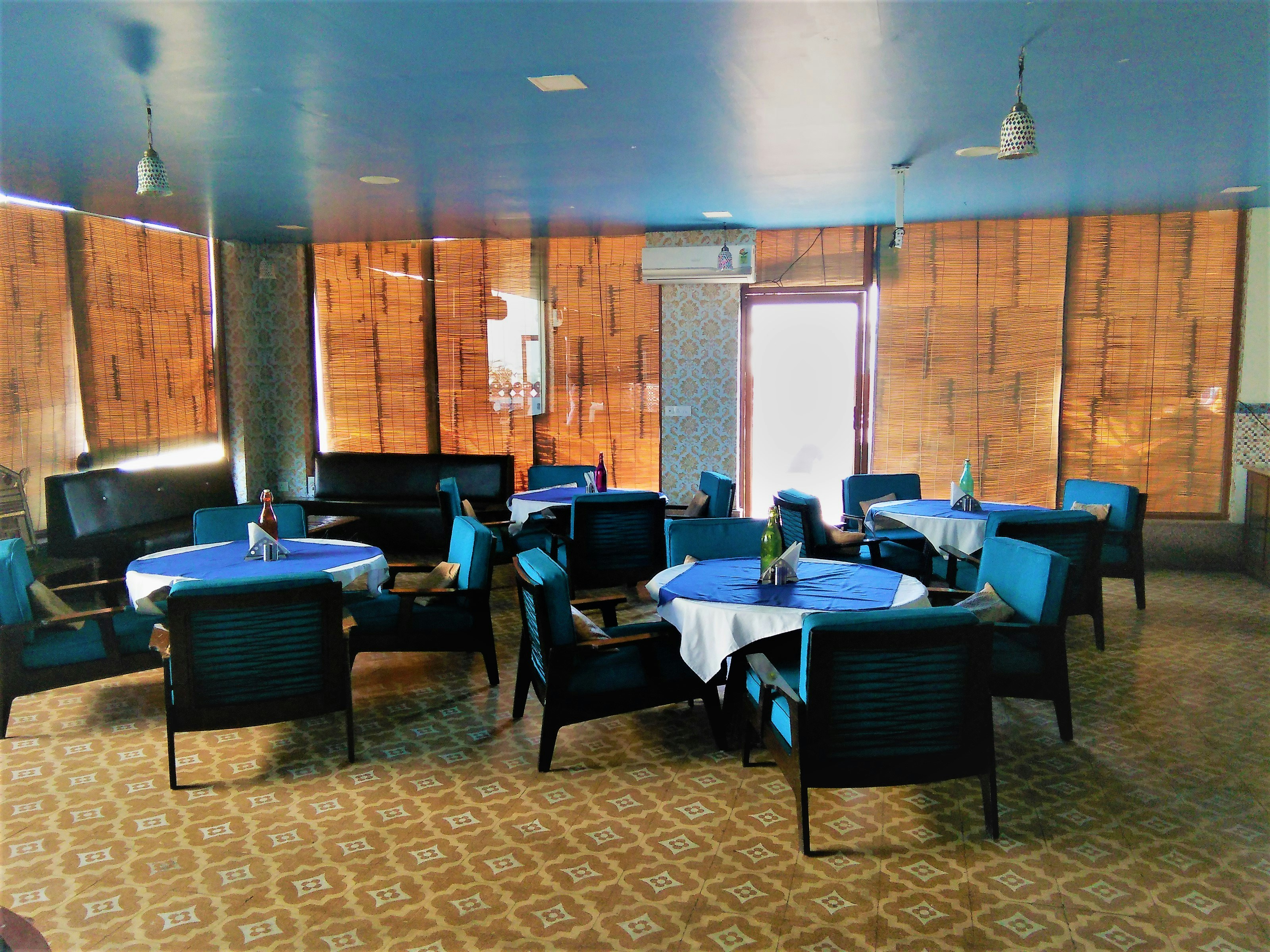
Establishing Interior Identity Through Custom Textiles
Custom textiles have become a pivotal element in defining and enhancing the interior identity of restaurants. By carefully selecting fabrics that align with their overall theme and brand image, restaurateurs can create a cohesive atmosphere that resonates deeply with patrons. The strategic use of textiles not only contributes to the visual appeal but also communicates the essence of the restaurant’s identity.
Choosing the right textiles is essential to reflect the restaurant’s concept, whether it is casual, upscale, cultural, or avant-garde. For instance, a high-end dining establishment may opt for luxurious fabrics like silk or velvet, adorned with intricate patterns that convey elegance and sophistication. On the other hand, a casual eatery might embrace more relaxed materials, such as cotton or linen with vibrant, playful prints that evoke a sense of comfort and informality. These choices help establish an interior narrative, inviting guests to immerse themselves in a unique dining experience.
Moreover, the colors and patterns selected for the textiles can significantly impact the overall ambiance. For instance, warm tones may be used to create an inviting atmosphere, which encourages patrons to linger longer. Meanwhile, bold patterns can serve as eye-catching focal points that reflect the restaurant’s personality, making it memorable and distinctive. Utilizing seasonal or thematic textiles can further enhance the dining environment, allowing for a dynamic design that can be updated to keep the experience fresh and relevant.
In essence, custom textiles play a vital role in shaping a restaurant’s interior identity. By choosing appropriate materials and designs, restaurant owners can cultivate an engaging atmosphere that mirrors their branding, ultimately improving customer satisfaction and loyalty.
Enhancing Customer Experience with Thoughtful Textile Choices
Textiles play a crucial role in shaping the customer experience within restaurants. The choice of fabrics, colors, and designs not only reflects the brand identity but also significantly influences the mood and feelings of diners. Carefully selected textiles can evoke specific emotions, enhancing the overall dining atmosphere and fostering a sense of comfort and enjoyment.
When customers enter a restaurant, the first sensory encounter often involves the visual appeal of the space. The textiles used in tablecloths, napkins, and upholstery can create an immediate impression, communicating the restaurant’s theme and level of sophistication. For example, soft, warm colors might suggest intimacy, while vibrant patterns could stimulate energy and excitement. This visual stimulation sets the stage for a memorable experience and directly impacts diners’ perceptions of quality and service.
Beyond aesthetics, the tactile sensation of textile choices also contributes to customer satisfaction. Fabrics with varying textures—such as plush upholstery or smooth table linens—can influence how inviting and comfortable a space feels. Patrons are more likely to linger and enjoy their meals when the environmental aspects feel welcoming. Additionally, incorporating high-quality textiles can demonstrate a commitment to excellence, positively affecting customer perceptions.
Moreover, the sensory experience extends to the acoustics of the restaurant environment. Textiles can help absorb sound, creating a more pleasant atmosphere that encourages conversation and connection among diners. In contrast, hard surfaces can contribute to a noisy setting, detracting from the overall dining experience. Therefore, thoughtful textile choices are essential not only for visual appeal but also for ensuring a relaxing atmosphere.
The Impact of Table Textiles on Meal Presentation and Branding
Table textiles, such as tablecloths, napkins, and placemats, play a crucial role in enhancing the visual presentation of meals in a restaurant setting. Their significance extends beyond mere function; they serve as critical elements in reinforcing a restaurant’s branding strategy. The use of high-quality textiles can evoke emotions and create a memorable dining experience, which directly contributes to the overall perception of the establishment.
When selecting table textiles, restaurants should consider fabrics that complement their brand identity. For instance, an upscale dining venue may opt for luxurious linen tablecloths and elegantly folded napkins to convey sophistication, while a casual eatery might favor colorful, patterned fabrics that align with a relaxed vibe. These choices can profoundly influence customer expectations and perceptions, making it imperative for restaurant owners to align their table settings with their intended message.
In addition to enhancing aesthetics, table textiles can also convey the restaurant’s commitment to quality and attention to detail. The tactile experience of a well-crafted table textile can elevate a dining experience, prompting diners to engage more deeply with their meals. Furthermore, branded textiles—such as custom napkins featuring a logo or signature designs—can serve as subtle branding tools that enhance recognition and recall among customers.
Successful implementations of table textiles can be observed in various establishments. For example, fine dining restaurants often employ monochromatic linens that allow the vibrant colors of food to stand out, while bistros might use playful patterns that reflect local culture or seasonal themes. This strategic use of textiles not only enhances the visual appeal of dishes but also fortifies the restaurant’s brand image, creating a lasting impression on diners.
Creating Ambience with Decorative Cushions and Colour Consistency
In the competitive landscape of the restaurant industry, the importance of creating a cohesive and inviting atmosphere cannot be overstated. One of the key elements in achieving this is the strategic use of decorative cushions. These textiles not only enhance the comfort of seating areas but also serve as powerful branding tools. By selecting cushions in colors and patterns that align with the restaurant’s theme, establishments can seamlessly merge functionality with aesthetics.
The thoughtful integration of decorative cushions helps to define the dining experience, offering patrons a visually pleasing environment that reflects the restaurant’s identity. For example, bistro-style eateries may opt for plush, patterned cushions that evoke a sense of warmth and a casual dining vibe, whereas an upscale establishment might choose sleek, monochromatic cushions to convey sophistication. This thoughtful selection of textiles thereby supports the overall brand message and can act as an extension of the restaurant’s decor.
Furthermore, colour consistency across various textile elements is paramount in reinforcing a restaurant’s brand. Consistency in colour not only aids in creating a visually harmonious space but also strengthens brand recall. When a restaurant owner ensures that the hue of the cushions matches the table linens, wall art, and other textile elements, it fosters an atmosphere that feels intentional and curated. This unification in design helps create memorable dining experiences that resonate with customers long after their visit.
In essence, decorative cushions are more than mere accessories; they play a crucial role in establishing a restaurant’s ambiance while reinforcing brand identity. By paying attention to colour consistency and cushion design, restaurant owners can significantly impact how patrons perceive and remember their brand.

