
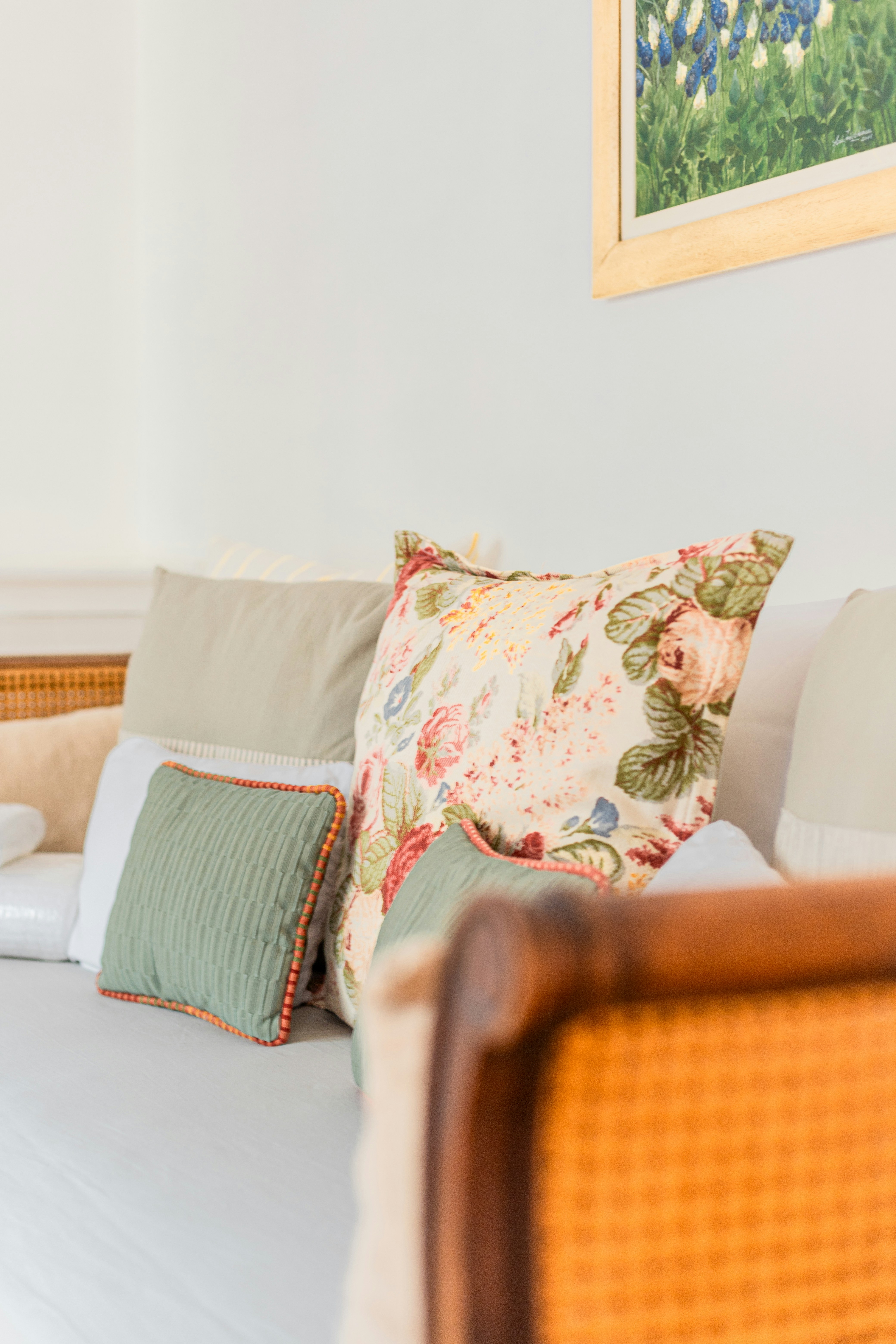
The Role of Decorative Cushions in Hospitality Design
In the realm of hospitality design, decorative cushions serve a pivotal role in shaping the overall atmosphere and aesthetic appeal of various spaces, including hotels, restaurants, and cafés. These seemingly simple accessories go beyond mere decoration; they significantly enhance both the comfort and visual attractiveness of any hospitality venue. The strategic incorporation of decorative cushions can transform an ordinary seating arrangement into a welcoming haven, inviting patrons to relax and linger.
One of the primary contributions of decorative cushions to hospitality interiors is their ability to elevate comfort levels. By providing additional support, cushions create an inviting environment that encourages patrons to spend more time in these establishments. Whether it’s a plush cushion on a lounge chair or an elegantly designed pillow on a banquet seat, these elements not only enhance the guest experience but can also leave a lasting impression of hospitality and care.
Aesthetically, decorative cushions come in a myriad of styles, colors, and textures, allowing designers to curate a specific ambiance that aligns with the establishment’s theme. For instance, bold, vibrant cushions might be used in a trendy café to create a lively atmosphere, while soft, neutral tones could be more suitable for a luxury hotel, evoking a sense of tranquility. Moreover, patterns and textures can serve as focal points or accents, adding visual interest and depth to the overall design of the space.
Furthermore, these cushions can serve to define areas within hospitality venues, helping to delineate spaces for group dining or intimate gatherings. This functional aspect reinforces the importance of decorative cushions not merely as accessories but as essential components in the thoughtful design of hospitality interiors. As such, their careful selection and placement are instrumental in achieving a harmonious balance between comfort, style, and functionality.
Colour Coordination in Hospitality Textiles
Colour coordination plays a vital role in the selection of decorative cushions for hospitality interiors. The impact of colour extends beyond aesthetics; it heavily influences the overall mood and guest experience within a venue. Appropriate colour choices can evoke specific emotions, enhance comfort, and foster a welcoming atmosphere, all of which are crucial in the hospitality industry.
When considering colour palettes, it is essential to align them with the brand’s identity and target clientele. For instance, warm tones such as reds and oranges can create a vibrant, energetic environment suitable for casual dining spots, while cooler shades like blues and greens foster a sense of calm, ideal for upscale hotels and spas. The use of neutral colours can provide versatility, allowing decorative cushions to blend seamlessly with various interior designs without overshadowing other elements.
Current trends in decorative cushions often lean towards harmonious palettes featuring a mix of textures and tones. Layering different shades of a single colour can add depth, whereas contrasting colours can create visual interest. For example, pairing soft beige cushions with rich burgundy accents can produce a balanced yet visually engaging setting. Gradients and ombre effects are also gaining popularity, as they can make spaces appear more dynamic and inviting.
Additionally, integrating seasonal colours can refresh interiors periodically, appealing to returning guests and enhancing their overall experience. Striking a balance between a cohesive aesthetic and individual expression is key. Ultimately, effective colour coordination in hospitality textiles, especially decorative cushions, is not simply about beauty; it encompasses enhancing comfort, reflecting brand values, and elevating guest satisfaction.
Texture and Layering: Creating Depth in Design
When it comes to enhancing the aesthetic appeal and comfort of hospitality interiors, the role of texture and layering in decorative cushion design cannot be overstated. The careful selection of fabrics and materials not only contributes to the overall visual composition but also provides a multi-sensory experience that can significantly impact guests’ perceptions and satisfaction.
One effective approach in decorative cushions is the use of varied textures to create visual interest. For instance, plush velvet cushions paired with crisp linen ones can evoke a sense of warmth and sophistication. Such combinations allow for a dynamic interplay between light and shadow, enhancing the three-dimensional quality of the space. Additionally, incorporating a diverse range of textures, such as smooth silks, coarse wool, or textured knits, can establish a richer, more inviting atmosphere.
Layering is another vital technique that contributes to depth and comfort. By strategically arranging cushions of various sizes and shapes, designers can create depth that draws the eye and encourages interaction. Large, oversized cushions can serve as the foundational element, while smaller, patterned cushions can be added for contrast, creating a visually engaging setup. This layering effect not only enhances the decorative aspect but also invites guests to relax and enjoy their surroundings.
Furthermore, the use of materials with sophisticated finishes, such as embroidered or embellished fabrics, adds another layer of complexity to the overall design. These elements can serve as conversation starters and provide a touch of luxury that resonates well with guests looking for comfort and style in their accommodations. In conclusion, effectively utilizing texture and layering in decorative cushions is essential in creating a captivating and inviting atmosphere within hospitality interiors, enhancing both comfort and character for guests.
Bespoke Cushion Collections: Tailored Solutions for Hospitality
In the vibrant realm of hospitality interiors, bespoke cushion collections stand out as an integral component that enhances both comfort and aesthetic appeal. These custom-designed cushions can be tailored to match the unique branding of a hospitality venue, resulting in a cohesive and inviting atmosphere. By aligning the cushion designs with the overall identity of the establishment, venues can create a distinctive character that resonates with their guests.
The benefits of bespoke cushion collections extend beyond mere aesthetics. Customized cushions can cater to specific themes or motifs, reflecting the essence of the space they inhabit. For example, luxury hotels may opt for sumptuous fabrics and intricate patterns, while casual dining establishments could choose vibrant colors and playful designs. This adaptability ensures that cushions do not merely serve a functional purpose but also actively contribute to the ambiance and storytelling of the venue.
Moreover, the choice of materials and designs can enhance the perceived quality of a hospitality space. Guests often associate comfort with well-chosen décor elements, and bespoke cushions can elevate seating areas, lounges, and even dining spaces to new heights. By investing in tailored cushion solutions, hospitality providers can set themselves apart from competitors, as the unique offerings reflect a commitment to guest satisfaction and thoughtful design.
Additionally, bespoke cushion collections allow for versatility. As trends in hospitality interiors shift, these tailored pieces can be easily adapted, ensuring that they remain relevant and stylish throughout the years. This adaptability not only adds longevity to the investment but also provides opportunities for periodic refreshes in decor.
Branding Through Soft Furnishings
In the realm of hospitality interiors, the significance of cohesive branding cannot be overstated. Decorative cushions, often overlooked, serve as a vital tool in enhancing brand identity and creating a memorable guest experience. When integrated thoughtfully into the design, these soft furnishings can effectively communicate the essence of a hotel or restaurant’s brand, elevating both aesthetic appeal and functional comfort.
Utilizing brand colours in decorative cushions is a straightforward yet impactful strategy. By selecting fabrics that echo the primary and secondary colours of a brand’s logo or overall theme, hotels can instantly infuse their interiors with a sense of cohesion and purpose. For instance, a seaside resort may opt for cushions in shades of blue and sandy beige, drawing on the natural surroundings while simultaneously reinforcing its brand identity. Such colour synchronization not only enhances the visual experience but also creates a welcoming atmosphere for guests.
Incorporating logos and messaging into cushion designs can further enrich the branding efforts. For example, bespoke cushions featuring the establishment’s logo can serve as both decorative pieces and subtle advertisements, reminding guests of the brand while they relax. Additionally, thoughtful messaging—such as motivational quotes or notable brand values—embroidered on cushions can impart a deeper understanding of the brand’s ethos to the guests. Such efforts can lead to enhanced customer loyalty and inviting spaces that cultivate memorable experiences.
Moreover, varying the cushion shapes, textures, and sizes can further communicate brand personality. A boutique hotel may opt for eclectic patterns and textures to reflect its unique character, while a luxury chain may choose elegantly tailored cushions to convey sophistication. In conclusion, decorative cushions have the potential to serve as a powerful branding element within hospitality interiors, infusing both comfort and character into the guest experience.
The Art of Turkish Craftsmanship in Textiles
Turkish craftsmanship in textiles boasts a rich heritage that dates back centuries, intertwining tradition with artistry to create unique and high-quality products. The significance of these textiles extends beyond aesthetics, representing cultural identity, historical narratives, and unparalleled skill. In the hospitality sector, decorative cushions crafted in Turkey can significantly enhance the ambiance of any space, marrying comfort with character.
One of the hallmarks of Turkish textile production is its innovative use of intricate patterns and vibrant colors. Artisans employ traditional weaving methods that have been passed down through generations, often incorporating symbolic motifs that reflect the region’s history and folklore. Techniques such as kilim weaving or embroidery exemplify the painstaking labor and dedication involved in creating each individual piece, ensuring that no two cushions are exactly alike.
Durability is another key characteristic of Turkish cushions that makes them particularly appealing for hospitality interiors. Made with high-quality natural materials, such as cotton, wool, or silk, these textiles are designed to withstand frequent use while retaining their beauty and integrity. This resilience is essential for establishments that prioritize both elegance and functionality in their decor.
Moreover, the craftsmanship of Turkish textiles fosters a sense of authenticity that resonates with guests. When decorative cushions with roots in Turkish heritage are integrated into hospitality environments, they offer visitors a tangible connection to culture and tradition. The ability of these cushions to enhance comfort and add an artistic touch to spaces serves not only to improve the aesthetic appeal but also to create a memorable experience for patrons.
Choosing the Right Cushions for Different Hospitality Spaces
Decorative cushions serve not only as visual accents but also as comfort enhancers in hospitality environments. Selecting the right cushions involves considering various factors tailored to the unique requirements of each space within the industry, including hotels, restaurants, and cafés.
When outfitting hotel lobbies or guest rooms, the dimensions of the area are crucial in determining the size and arrangement of cushions. A spacious lobby can benefit from larger cushions that are visually striking, whereas smaller guest rooms may call for compact, subtly designed cushions that maintain a sense of space while ensuring comfort. In both settings, choosing fabrics that are durable yet soft contributes significantly to guest experience. Synthetic materials offer a level of resilience ideal for heavy use, while natural fibers can add a touch of luxury.
In restaurant settings, where ambiance plays a key role, decorative cushions can enhance a specific theme or style. Consider the demographics of your clientele; vibrant colors and playful patterns may appeal to a younger crowd, while elegant textures and muted tones might attract a more sophisticated audience. Additionally, the overall atmosphere—whether casual, formal, or trendy—should guide the cushion selection, ensuring consistency in design and comfort levels.
Cafés often serve as relaxing retreats for patrons, and incorporating cushions into seating areas fosters a welcoming environment. Depending on the space’s layout and target demographic, choosing cushions that are easy to clean is vital, considering the likelihood of spills and stains. Oversized, plush cushions can encourage longer stays, promoting a social ambiance. Conversely, smaller, sturdier options may be suitable for faster turnover of tables.
In conclusion, the selection of decorative cushions in hospitality spaces must align with the physical characteristics of the environment, the expectations of the clients, and the desired aesthetic. Thoughtful choices can significantly elevate the comfort and identity of a space, enhancing the overall guest experience.
Maintaining Decorative Cushions: Tips for Longevity
Decorative cushions play a pivotal role in enhancing the aesthetics and comfort of hospitality interiors. To ensure these cushions retain their appeal and functionality over time, proper maintenance is essential. Here are several practical tips for maintaining decorative cushions in hospitality settings.
First and foremost, regular cleaning is crucial. Depending on the fabric, cushions may require different cleaning approaches. For removable covers, machine washing on a gentle cycle with cold water is often effective. If the cover is made of delicate materials such as silk or linen, hand washing is recommended to prevent damage. Additionally, always check the manufacturer’s care label for specific instructions which will provide guidance tailored to the specific fabric type.
For cushions without removable covers, spot cleaning is the ideal method. Utilize a mixture of mild detergent and water, applying it to a soft cloth, and gently blotting the affected area. It’s advisable to perform a patch test on a hidden part of the cushion to ensure colorfastness before applying any cleaning solution extensively.
The choice of fabric can significantly impact the longevity of decorative cushions. Opting for durable, stain-resistant fabrics can reduce the frequency of required cleanings and extend the life of the cushions. Furthermore, incorporating protective treatments or sprays can increase resistance to spills and stains, maintaining the cushion’s visual appeal.
Preventive measures also play an essential role in the longevity of decorative cushions. Placing cushions away from direct sunlight minimizes fading and deterioration. Additionally, regularly rotating cushions, especially on high-use areas, can help distribute wear and prolong their lifespan.
By implementing the above maintenance strategies, hospitality venues can ensure that decorative cushions remain not only stylish and inviting, but also provide lasting comfort for patrons.
Conclusion: The Impact of Decorative Cushions on Guest Experience
In the realm of hospitality interiors, decorative cushions serve as essential elements that significantly enhance not only the aesthetic appeal but also the comfort of various spaces within a venue. By integrating decorative cushions into seating areas, hoteliers and interior designers can create visually striking backdrops that harmoniously blend with the overall design theme. These cushions are available in a multitude of textures, colors, and patterns, making them versatile components for tailoring the ambiance of a hotel or restaurant.
The role of decorative cushions extends beyond mere decoration; they contribute to the well-being of guests by providing necessary support and comfort during their stay. Comfortable seating arrangements equipped with plush decorative cushions encourage guests to relax and linger, thereby fostering a more enjoyable experience. This slight yet impactful enhancement can influence a guest’s perception of the place, often translating into positive reviews and repeat visits.
Furthermore, decorative cushions can embody the unique character of a hospitality establishment, showcasing its brand identity or thematic elements. Whether it is through specific colors that reflect a seasonal theme or patterns that resonate with the local culture, these cushions can be strategically chosen to tell a story that resonates with guests. Such an approach elevates the overall guest experience, making it memorable and distinctive.
Ultimately, the integration of decorative cushions into hospitality interiors cannot be underestimated. Their dual role in providing comfort and enhancing design ensures that they are not merely optional accessories but vital components contributing to guest satisfaction. This investment in quality and thoughtful design reflects a commitment to excellence in hospitality, affirming that every detail, including decorative cushions, plays a pivotal role in shaping the overall guest experience.

