
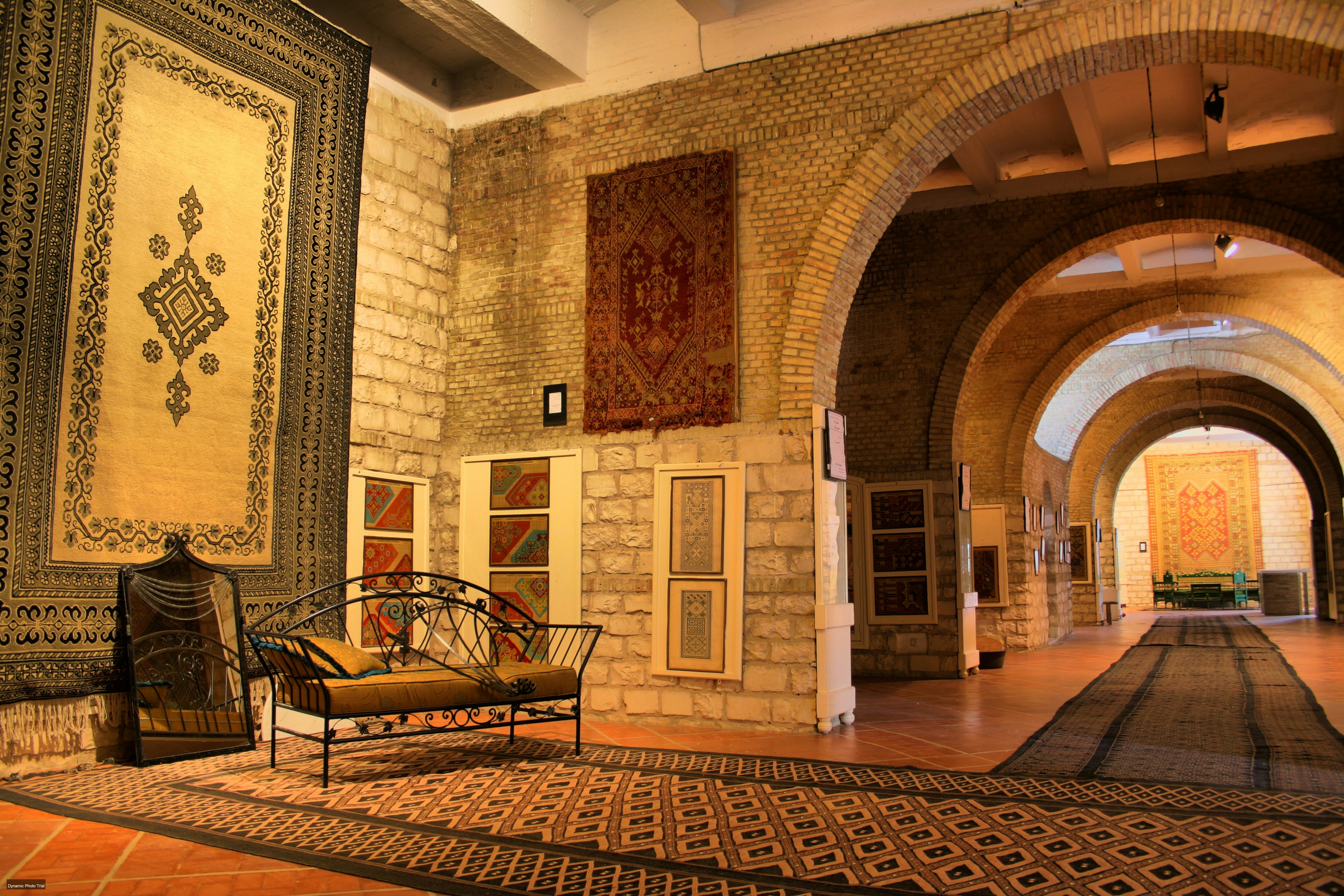
The Allure of Decorative Textile Panels
Decorative textile panels, particularly jacquard wall panels, possess a unique charm and aesthetic appeal that continues to captivate designers and owners of hospitality interiors. Originating from intricate weaving techniques dating back to the early 19th century, these textile panels are characterized by their rich textures and elaborate patterns. The jacquard method, which allows for complex designs with an impressive range of colors, has transformed how textile art is integrated into interior spaces.
The aesthetic versatility of jacquard wall panels makes them a favored choice among luxury interiors. Their intricate patterns can provide a sense of sophistication and elegance, enhancing the overall atmosphere of accommodations such as hotels, restaurants, and lounges. These decorative panels come in an array of designs—from minimalistic motifs to bold artwork—allowing for customization that aligns with specific themes or branding elements. The ability to choose patterns that resonate with the surrounding decor further solidifies the relevance of textile panels in contemporary hospitality design.
Moreover, the visual characteristics and textures of jacquard wall panels create an inviting ambience. The interplay of light on various fabric weaves can transform a space, adding depth and character that is often lacking in more traditional wall finishes. Additionally, these textile panels are not only visually appealing but also contribute to the acoustic properties of an environment, helping to soften sound and promote a serene atmosphere—an essential aspect in hospitality settings.
As sustainability becomes an increasingly significant factor in design choices, many manufacturers today are focusing on eco-friendly fabrics and ethical production processes for their jacquard panels. This commitment to sustainability adds another layer of appeal to decorative textile panels, positioning them as a conscious choice for those looking to enhance their hospitality spaces while being mindful of the environment.
Woven Wall Art: A Timeless Craft
Woven wall art represents a significant facet of interior design, seamlessly marrying artistry with craftsmanship. This form of artistic expression has existed for centuries, evolving from utilitarian fabric production to intricate art pieces gracing modern interiors. The historical roots of weaving, particularly notable influences from Turkish traditions, play a crucial role in contemporary textile art, showcasing the depth and richness of cultural heritage.
The art of weaving is steeped in history, with Turkey being a notable hub for weaving practices. The unique patterns and techniques developed over generations not only serve functional purposes but also embody cultural narratives and artistry. Such traditions have influenced the evolution of woven wall art, allowing for the reinterpretation of age-old motifs into modern designs that resonate with today’s aesthetics. The incorporation of these traditional techniques into contemporary interiors adds layers of depth, bridging the past with the present.
Handcrafted textiles carry an inherent value, signifying the dedication and skill of the artisan. Each piece is a manifestation of personal expression and cultural storytelling, making woven wall art a distinctive element in interior design. The integration of such handcrafted elements elevates the sophistication of an environment, offering a tactile experience that machine-made equivalents cannot replicate. In hospitality settings, woven wall art not only enhances visual appeal but also contributes to creating an inviting atmosphere that prompts emotional connections with guests.
As we continue to embrace unique design elements, the significance of woven wall art remains undeniable. It serves as both a decorative piece and a powerful storytelling medium, enriching spaces with history while appealing to contemporary sensibilities. This blend of tradition and modernity ensures that woven textiles retain their status as a timeless craft in the realm of interior design.
The Benefits of Acoustic and Decorative Enhancements
Jacquard wall panels are increasingly popular in hospitality interiors, serving not only as a stunning decorative element but also offering significant acoustic benefits. Their unique textile composition enables these panels to absorb sound effectively, making them an ideal choice for bustling environments such as hotels, restaurants, and event spaces. The reduction of noise levels not only enhances guest comfort but also contributes to overall satisfaction during their stay. This is particularly important in areas where conversations flow, and the ambiance must support both relaxation and interaction.
The aesthetically pleasing designs of jacquard wall panels further complement their functional purposes. Available in an extensive range of colors, patterns, and textures, they can be tailored to fit the luxurious themes often sought in high-end hospitality venues. This versatility allows interior designers to create unique spaces that reflect the character and brand identity of a property while incorporating practical solutions for sound management. The rich, tactile quality of textile art creates an immersive environment, which is essential for creating memorable guest experiences.
Incorporating jacquard wall panels into the design of hospitality interiors facilitates a harmonious balance between beauty and functionality. With the ability to reduce ambient noise and enhance aesthetic appeal, these fabric-covered panels elevate the elegance of luxury settings. This dual capability not only captivates guests visually but also adheres to a discerning focus on comfort. The integration of jacquard wall panels serves as a strategic move for hospitality establishments aiming for sophistication and acoustic comfort, allowing them to stand out in a competitive market.
Custom-Made Wall Textiles for Distinctive Hospitality
In today’s competitive hospitality industry, creating a unique ambiance is paramount. One effective way to achieve this is through the use of custom-made wall textiles, which add a layer of sophistication and visual appeal to interiors. The demand for bespoke wall panels has surged as establishments strive to differentiate themselves from their competitors. These textiles not only enhance the aesthetics of a space but also contribute to its overall brand identity.
The desire for customization stems from various factors, including the evolving tastes of guests, the need for unique branding, and the increasing trend towards personalization in design. Today’s consumers are drawn to experiences that resonate with their personal style, and hospitality interiors must reflect this preference. By collaborating closely with designers, hotels and restaurants are able to curate spaces that tell a story and evoke emotions, creating memorable experiences for their guests.
Nilstar stands out in this realm as a leading creator of bespoke textile wall panels. Their offerings allow for a wide range of customization options, enabling establishments to select fabrics, patterns, and colors that align with their vision. Beyond mere aesthetics, Nilstar’s wall panels provide practical benefits, such as improved acoustics and durability, making them invaluable in bustling hospitality settings.
Real-life examples of successful implementations of custom wall textiles further highlight their value. Consider a luxury hotel that transformed its lobby with rich, tailored wall panels that reflect local culture and history, or a fine dining restaurant that incorporated intricate textile designs into private dining areas, enhancing guest intimacy. These instances exemplify how thoughtfully designed textiles can redefine a space, leaving a lasting impression on visitors, thus reinforcing the importance of bespoke creations within the hospitality interior design landscape.

