
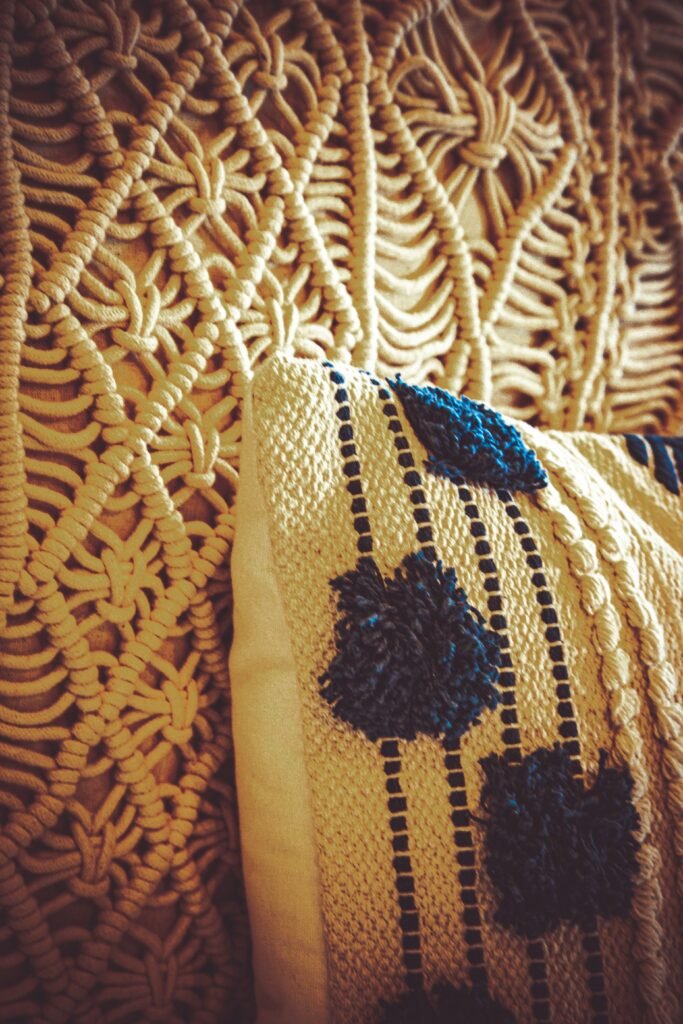
Understanding Gobelin Fabrics: Origins and Characteristics
Gobelin fabrics, renowned for their intricate patterns and rich textures, have a storied history that dates back to the 15th century in France. The term “Gobelin” derives from a family of weavers, the Gobelins, who established a textile workshop in Paris that excelled in producing richly decorated tapestries. Over time, this workshop became synonymous with quality and artistry, leading to the widespread use of Gobelin-style fabrics in various applications, including furniture upholstery and decorative cushions.
The hallmark of Gobelin fabrics is their elaborate designs, often depicting pastoral scenes, floral motifs, or historical narratives. The weaving technique employed in creating these textiles is complex, involving multiple threads and a meticulous process that results in a dense, textured fabric. Gobelin jacquard cushions, in particular, showcase the unique characteristics of these fabrics, featuring vibrant colors and intricate patterns that can elevate the aesthetic of any living space.
Distinctive features of Gobelin fabrics include their durability and versatility. The tight weave and high-quality fibers contribute to a product that withstands both wear and time, making it an ideal choice for home décor items such as cushions, curtains, and more. Additionally, the rich variety of colors and designs available allows for easy integration into diverse interior design styles, from classic to contemporary. Artisans continue to honor traditional methods while infusing modern designs, ensuring the enduring legacy of Gobelin fabrics in today’s textile market.
In exploring the history and artistry behind Gobelin fabrics, one appreciates not only their beauty but also the cultural significance they hold. As a testament to craftsmanship, these fabrics embody a unique convergence of utility and art, making them timeless additions to any home.
The Art of Jacquard Weaving: Techniques and Innovations
The jacquard weaving technique, which dates back to the early 19th century, revolutionized the textile industry. Invented by Joseph Marie Jacquard in 1804, this method employed a punched card system to control individual warp threads. The result was a remarkable ability to create intricate patterns and designs that were previously impossible with conventional looms. This innovation not only enhanced the artistic possibilities in textile production but also significantly increased efficiency in manufacturing.
Unlike traditional weaving techniques that require multiple artisans to manually create patterns, jacquard weaving relies on a mechanical system to automate the process. This mechanization allows for a higher level of complexity in the design, which is a hallmark of gobelin jacquard cushions. The loom can manipulate up to 1,000 individual threads simultaneously, resulting in rich, detailed imagery. As a result, textiles crafted using this technique exhibit a level of intricacy that remains unmatched.
Moreover, jacquard weaving has undergone substantial innovation since its inception. Modern advancements in technology have enabled the integration of computer-aided design (CAD) software, allowing artists and designers to create detailed digital patterns before they make the physical product. This fusion of traditional craftsmanship with contemporary technology has preserved the art of jacquard weaving while pushing its creative boundaries.
The advantages of using jacquard weaving extend beyond aesthetic appeal. The durability of the fabrics produced is significantly enhanced due to the consistent tension and tight interlacing of the threads. Therefore, not only do consumers benefit from the visual richness of jacquard woven textiles, but they also enjoy longevity and resilience in their final products. The combination of meticulous craftsmanship and innovative techniques continues to ensure that gobelin jacquard cushions remain a symbol of sophistication and timeless elegance in home decor.
The Role of Decorative Cushions in Hospitality Interiors
Decorative cushions play a pivotal role in enhancing the aesthetic appeal of hospitality interiors, particularly in hotels and restaurants. They offer a unique blend of comfort and style, making them instrumental in creating inviting spaces that foster positive guest experiences. Among various decorative options, Gobelin jacquard cushions stand out due to their intricate designs and rich textures, which can elevate the ambiance of any hospitality setting.
In the realm of hospitality, first impressions are crucial, and decorative cushions contribute significantly to this aspect. The integration of Gobelin jacquard cushions not only provides comfort but also serves as an eye-catching element that complements the overall design theme. For instance, a luxury hotel lobby adorned with elegant Gobelin jacquard cushions on plush seating can create a welcoming atmosphere that encourages guests to relax and enjoy their surroundings. These cushions feature classic patterns and sophisticated color palettes that enhance the visual interest of the space, making them an ideal choice for upscale establishments.
Restaurants, too, can benefit from the incorporation of decorative cushions. A stylish eatery may opt for Gobelin jacquard cushions on banquettes or outdoor seating to enrich the dining experience. The textures and patterns of these cushions can harmonize with table settings and wall decor, reinforcing the restaurant’s identity and inviting patrons to linger. Furthermore, such thoughtful design elements reflect the establishment’s commitment to quality and attention to detail, which are key components in the hospitality industry.
In conclusion, the thoughtful integration of decorative cushions, particularly Gobelin jacquard cushions, plays an essential role in shaping the interiors of hospitality spaces. By enhancing aesthetic appeal and contributing to a luxurious atmosphere, these cushions help create memorable experiences for guests while reinforcing the establishment’s branding and identity.
The Rich Texture and Craftsmanship of Nilstar Decorative Cushions
Nilstar, an esteemed supplier of woven decorative cushions, encapsulates a range of qualities that set its products apart in the crowded marketplace. The rich texture found in each cushion is a testament to meticulous craftsmanship, ensuring that each piece is not only visually appealing but also offers a sensory experience. By using premium materials, Nilstar creates cushions that invite touch and add an extra layer of warmth to any space.
The artisanship behind every Nilstar cushion reflects a commitment to luxury and detail. Each cushion is woven using traditional techniques that have been handed down through generations, exhibiting a deep respect for the art of textile production. This dedication to craftsmanship results in products that are incredibly durable and maintain their beauty over time, a hallmark of true luxury items.
Furthermore, Nilstar draws from the rich heritage of Turkish textile design, incorporating elements that imbue its cushions with cultural significance. The vibrant patterns and intricate motifs found in their fabrics are inspired by historic influences, which harmoniously blend with contemporary aesthetics. This fusion of heritage and modern design not only enhances the visual appeal of the cushions but also tells a story that resonates with both tradition and innovation.
Attention to detail is paramount in Nilstar’s offerings, from the selection of colors to the consistency of texture across each piece. The cushions are designed to effortlessly complement a variety of interior styles, allowing for versatility in decoration. Whether placed on a luxurious sofa or used as a standout piece on a daybed, Nilstar decorative cushions provide an instant upgrade to any living space.

