
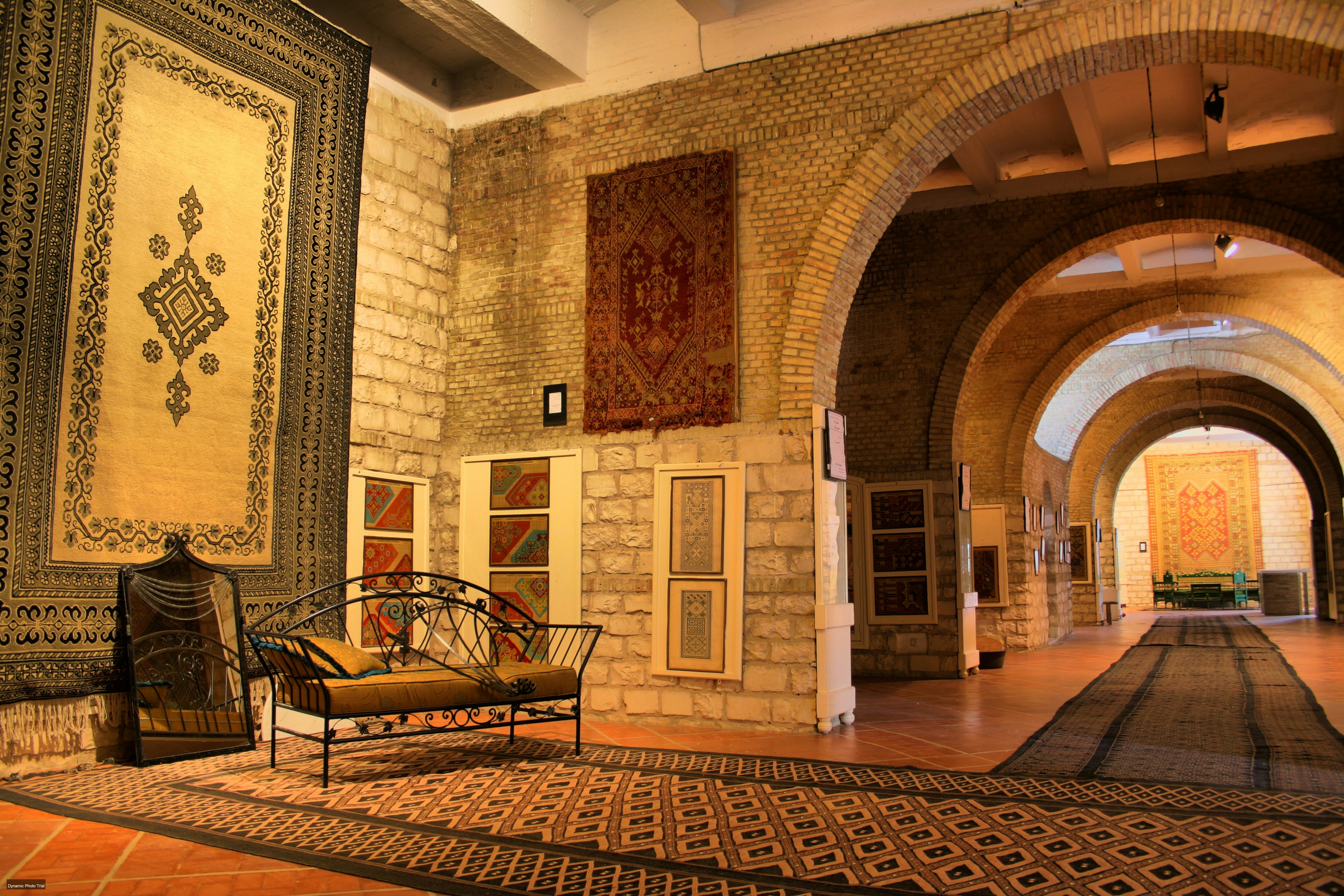
Understanding Bespoke Hospitality Textiles
Bespoke hospitality textiles are custom-designed fabric solutions specifically tailored to cater to the unique needs and aesthetic preferences of hotels and restaurants. These textiles encompass a wide range of items, including linens, curtains, upholstery, and decorative accessories, all crafted to enhance the overall ambiance of hospitality spaces. The significance of bespoke textiles lies in their ability to transform ordinary settings into extraordinary environments that resonate with the identity of the establishment and create memorable guest experiences.
The design of bespoke textiles allows for the incorporation of specific themes, colors, and materials that reflect the brand’s vision while simultaneously addressing practical needs such as durability and maintenance. For instance, hotels may require textiles that not only look appealing but also endure frequent use and cleaning, ensuring a lasting impression on guests. Custom textile design empowers hoteliers and restaurateurs to curate an atmosphere that aligns with their target clientele, thus elevating the overall guest experience.
Moreover, bespoke hospitality textiles serve as an extension of the brand narrative, providing an exceptional soft finish that includes an array of textures and patterns to enrich the interior design. A well-designed custom fabric can evoke emotions, create comfort, and set a desired tone, all of which are critical in the hospitality industry where first impressions are pivotal. By investing in bespoke textiles, establishments communicate attention to detail and a commitment to quality, fostering a stronger emotional connection between guests and the environment.
In summary, bespoke hospitality textiles hold significant value in enhancing hotel and restaurant interiors, offering both functional and aesthetic benefits that contribute to the overall guest journey. Their unique attributes make them an essential element in crafting personalized and inviting spaces, markedly improving the service quality and guest satisfaction in the competitive hospitality landscape.
The Art of Custom Textile Design
Custom textile design plays a pivotal role in shaping the ambiance of hotels and restaurants, where every detail contributes to the guest experience. The process of creating bespoke textiles involves careful consideration of the brand identity and aesthetic vision of the hospitality establishment. Designers collaborate closely with hoteliers and restaurateurs to ensure that the fabrics not only meet functional requirements but also enhance the overall atmosphere of the space.
One foundational aspect of custom textile design is the selection of materials. From luxurious silks to durable blends, each fabric serves a purpose that reflects the intended use within the hospitality venue. For instance, the choice of upholstery materials in a restaurant must consider factors such as durability and ease of maintenance while still prioritizing aesthetic appeal. The interplay of textures, colors, and patterns is meticulously planned to create an inviting environment that resonates with guests.
Another vital component of bespoke textile creation is personalization. This can involve everything from imbuing patterns with cultural significance to using colors that evoke particular emotions. Custom printed textiles can incorporate logos or other brand elements, seamlessly integrating the identity of the establishment into the decor. This attention to detail enables hotels and restaurants to build a cohesive visual narrative that captures the essence of their brand.
The collaboration in the design phase is crucial; it invites input from various stakeholders, including interior designers, textile manufacturers, and branding experts. This multidisciplinary approach ensures that the final product reflects a sophisticated blend of style and utility, allowing hospitality businesses to stand out in an increasingly competitive market.
Elevating Comfort with Decorative Cushions
In the competitive landscape of hospitality, creating an inviting atmosphere is essential for attracting and retaining guests. Decorative cushions play a pivotal role in enhancing the comfort and aesthetic appeal of hotel and restaurant interiors. These accessories not only provide physical comfort but also contribute significantly to the overall design narrative of a space.
The variety of design options available for decorative cushions is vast, allowing establishments to tailor their selections to align with specific themes and styles. From contemporary geometric patterns to traditional floral designs, the aesthetic choices can complement the broader interior styling seamlessly. Additionally, cushions can serve as focal points within a room, drawing the eye and often serving as conversation starters for guests.
Fabric selection is crucial when it comes to decorative cushions, as it influences the tactile experience and durability. Popular choices include luxurious velvet, soft linen, and sturdy cotton, all of which can withstand the wear and tear of hospitality environments while providing comfort. The texture of these materials can create an inviting atmosphere, encouraging relaxation amongst guests. Furthermore, considering fabrics with stain-resistant properties can ensure longevity, making them ideal for frequent use in dining areas and lounges.
When it comes to colour schemes, the options are limitless. Warm earth tones can foster a feeling of coziness, while vibrant hues can energize a space. The strategic use of colours through cushions can tie together various elements of a room, promoting cohesion and harmony. For instance, a neutral palette can be accented with bold colours to create visual interest without overwhelming the space.
In conclusion, decorative cushions serve as an integral aspect of hospitality interiors, enhancing both comfort and style. By thoughtfully selecting designs, fabrics, and colours, hotels and restaurants can create beautifully styled environments that invite guests to unwind and enjoy their surroundings.
Transformative Wall Fabrics: A Touch of Luxury
In the realm of hospitality design, wall fabrics play a pivotal role in shaping the overall atmosphere of hotels and restaurants. The inclusion of luxurious textiles elevates the interiors, making spaces not just visually appealing but also inviting and immersive. Fabrics such as silk, velvet, and high-quality linen can transform bare walls into elegant canvases, where artful textures and patterns enrich the environment.
The choice of wall fabric significantly influences the perception of space. For instance, soft textures like velvets impart a sense of warmth and comfort, fostering an inviting atmosphere for guests. Contrarily, sharper textures can evoke a modern sophistication that appeals to contemporary sensibilities. Patterns, too, can redefine interior aesthetics—bold geometric designs inject vitality and dynamism, whereas intricate floral patterns often create a more classic and romantic ambiance.
Moreover, the strategic employment of wall fabrics aids in harmonizing the design narrative across different areas within a hotel or restaurant. By selecting fabrics that resonate with the overall theme—be it rustic, industrial, or modern elegance—interior designers can weave a cohesive story that guides patrons through their experience. Textiles with varying weights and textures can designate different areas; for example, heavier drapes in lounging spaces may contribute to a more intimate feel, while lighter fabrics in dining areas foster an airy and vibrant mood.
Additionally, wall fabrics serve a functional purpose beyond aesthetics. They can absorb sound, thus enhancing acoustic comfort in bustling environments like restaurants, where conversations and laughter abound. Ultimately, the integration of bespoke wall fabrics is not merely a design choice but a crucial element that can redefine hospitality interiors, creating immersive environments that enrich the guest experience.
Conceptualizing Hospitality Interiors with Textiles
Textiles serve as a fundamental component in the conceptualization of hospitality interiors, significantly influencing both aesthetics and functionality. The careful selection and integration of textiles can profoundly transform a space, creating an inviting atmosphere that resonates with the overall design theme of a hotel or restaurant. By utilizing bespoke textiles, designers can craft unique, cohesive environments that not only look appealing but also meet the practical needs of the hospitality industry.
The interplay between textiles and other design elements, such as furniture, wall treatments, and lighting, is crucial for achieving a harmonious interior. For instance, luxurious drapes not only add depth and warmth to a room but can also complement upholstery patterns and colors throughout the space, creating a fluid visual narrative. Similarly, table linens and seat cushions can be tailored to reflect the character of the dining experience, reinforcing the brand identity while ensuring comfort for guests.
Bespoke textiles further amplify this effect by allowing for a high level of customization. Hotels and restaurants can choose specific materials, colors, and patterns that align with their branding and desired guest experience. High-quality textiles can also improve functionality; for example, stain-resistant fabrics used in dining areas ensure that aesthetics do not compromise practicality. Additionally, sound-absorbing textiles help create a quieter dining experience, which is an often-overlooked aspect of guest comfort.
Through the strategic use of textiles, designers can elevate the interior landscape of hospitality venues, making them not only visually stunning but also practical and enjoyable for guests. In this dynamic interplay, textiles act as a unifying thread that ties together various design elements, creating spaces that are both memorable and functional.
Genuine Craftsmanship: Made in Türkiye
The essence of true luxury in hospitality textiles lies in the craftsmanship behind them. Nilstar embodies this philosophy through its exquisite decorative textiles, which are handcrafted in Türkiye. The country’s rich heritage in textile production dates back centuries, when skilled artisans employed techniques passed down through generations. Today, these traditional methods are expertly blended with modern designs, creating unique bespoke textiles that serve not only as functional items but also as works of art.
Nilstar emphasizes the use of high-quality materials, ensuring that each piece not only displays aesthetic appeal but also guarantees durability and comfort. The textiles boast a wide range of applications, from opulent draperies that grace hotel lobbies to elegant table linens that enhance the dining experience in upscale restaurants. Such attention to detail is a hallmark of Turkish craftsmanship, where every stitch, weave, and dye tells a story, immersing guests in a luxurious atmosphere.
By supporting artisanal skills through brands like Nilstar, establishments can offer a personalized touch that mass-produced textiles simply cannot achieve. Each product is a testament to the uniqueness of its creator, showcasing the artistry that thrives in Türkiye. This commitment to craftsmanship not only contributes to the identity of the brand but also ensures that the textiles align with sustainable practices that uphold community welfare and cultural preservation.
Choosing bespoke hospitality textiles made in Türkiye means investing in quality and authenticity. It highlights the importance of supporting local artisans who pour their skills and heart into every creation. Through such collaborations, the industry can elevate its offerings, ensuring that guests receive an experience steeped in history and artistic integrity, all while reinforcing the value of genuine craftsmanship.
Benefits of Investing in Bespoke Textile Collections
Investing in bespoke textile collections for hotels and restaurants yields a multitude of advantages that significantly enhance the overall guest experience and operational effectiveness. One of the primary benefits is durability. Bespoke textiles are crafted with an emphasis on high-quality materials and workmanship. This results in products that can withstand the rigors of daily use in hospitality settings, ensuring that the textiles maintain their aesthetic appeal and functional integrity over time.
Another key benefit of bespoke textiles is exclusivity. By choosing custom designs, hotels and restaurants can establish a unique identity that sets them apart from competitors. This sense of exclusivity contributes to a memorable guest experience, as patrons are often drawn to establishments that offer distinctive and thoughtfully curated environments. This differentiation plays a crucial role in brand recognition, allowing businesses to create strong emotional connections with their clientele.
Furthermore, investing in custom collections can lead to a significant return on investment (ROI). Although the initial costs may be higher compared to off-the-shelf alternatives, bespoke textiles are designed for longevity, reducing the need for frequent replacements. Moreover, by enhancing the visual appeal and comfort of interiors, bespoke textiles can positively influence customer satisfaction and loyalty, potentially driving higher occupancy rates and sales volumes.
In conclusion, the multitude of benefits associated with bespoke textile collections in hospitality settings—from durability and exclusivity to brand differentiation and the potential for a significant return on investment—makes them a compelling choice for any hotel or restaurant looking to elevate its ambiance and enhance the overall guest experience.
The Role of Textile Designers in Hospitality Spaces
In the dynamic world of hospitality, the aesthetics of space hinge significantly on the collaboration between interior designers and textile designers. This partnership is essential for creating environments that are not only functional but also visually appealing and commercially viable. Textile designers contribute a wealth of knowledge about materials, textures, and patterns, allowing the interior design team to draw upon these resources to enhance the guest experience.
Textile designers possess specialized expertise in developing bespoke fabrics that align seamlessly with a hotel’s or restaurant’s overall style and brand identity. The bespoke nature of these textiles means they must be tailored to meet specific design goals, often requiring an adaptive approach that considers both practicality and creativity. This can involve designing fabrics that withstand heavy use, are easy to clean, or complement existing color schemes and decor elements.
The alignment between interior designers and textile designers is paramount, as it fosters a cohesive vision for the space. When both parties collaborate closely, they can ensure that the selection of fabrics integrates harmoniously into the broader design narrative, enhancing ambiance and aesthetic appeal. For instance, a high-end restaurant may benefit from luxurious, tactile textiles that evoke a sense of comfort and sophistication, while a trendy boutique hotel might opt for playful and vibrant prints that attract a youthful clientele.
Moreover, the dialogue between these disciplines allows for the exploration of innovative textile solutions that can elevate a space beyond mere functionality. Custom designs may incorporate local themes or cultural elements, promoting a unique sense of place that resonates with guests. By facilitating an ongoing exchange of ideas, textile designers and interior designers can push the boundaries of conventional design, resulting in enriched hospitality experiences that leave a lasting impression on patrons. This collaborative effort ultimately transforms the atmosphere, providing guests with environments that are both welcoming and memorable.
Conclusion and Call to Action
In the competitive landscape of hospitality, creating a memorable experience for guests is paramount. A significant aspect of achieving this lies in the thoughtful selection of bespoke textiles that enhance the ambiance and functionality of hotel and restaurant interiors. Custom fabrics can imbue spaces with personalized charm, improve acoustics, and provide necessary comfort, making them an essential investment for any hospitality establishment.
Bespoke textiles serve not only as decorative elements but also as vital components of branding and identity. They allow hospitality businesses to craft unique narratives that resonate with their target audience while ensuring the highest quality and durability. Additionally, the ability to tailor textiles to specific design requirements facilitates a seamless integration into existing themes or decor styles. The strategic use of such materials can transform ordinary spaces into stunning environments that leave a lasting impression on visitors.
The impact of custom-designed textiles extends beyond aesthetics; they play a crucial role in achieving functional excellence in hospitality settings. High-quality materials can enhance guest comfort, ensure longevity, and reflect the establishment’s commitment to quality. As a catalyst for change, bespoke textiles can help differentiate properties in a crowded market, leading to increased guest satisfaction and loyalty.
Therefore, we invite all hospitality business owners and interior designers to consider the transformative potential of bespoke textiles. Contact Nilstar for your trade inquiries and explore our range of custom textile solutions tailored specifically for the hospitality industry. Elevate your interiors today and create exceptional environments that captivate and delight your guests.

